





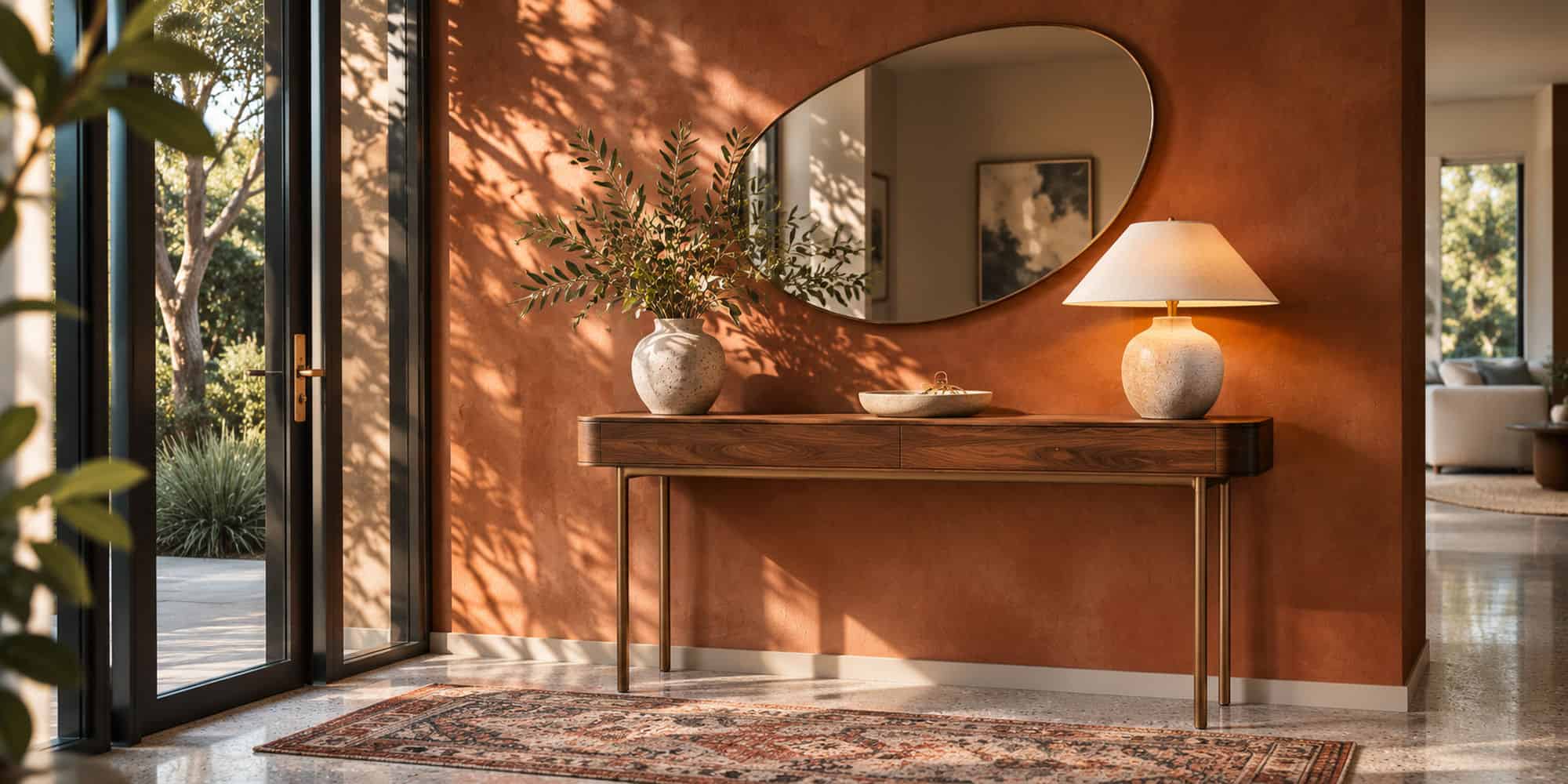
A console table can make an entryway more useful or finish the space behind a sofa, but the wrong height can leave the surface awkward to reach or out of proportion with surrounding furniture. Unlike a coffee table, a console is usually designed for use while standing or for displaying objects along a wall.
Before choosing one, measure where it will go and decide what you need to put on it. The most useful console table height depends on whether it sits in a hallway, beside a wall or behind your lounge.
What Is the Standard Console Table Height?
In Australian furniture ranges, console tables commonly sit around 75–85 cm high, with some designs shorter or closer to 90 cm. That is roughly 30–33 inches for the main range. It is a general shopping reference rather than an official standard: individual products and styles vary considerably.
A console table is taller than a typical coffee table but generally shallower than a dining table. Its surface is often used for keys, a lamp, a small tray or decorative objects. The right height is the one that works naturally in its actual position, rather than whichever model matches a published average.
Console Table Height Behind a Sofa
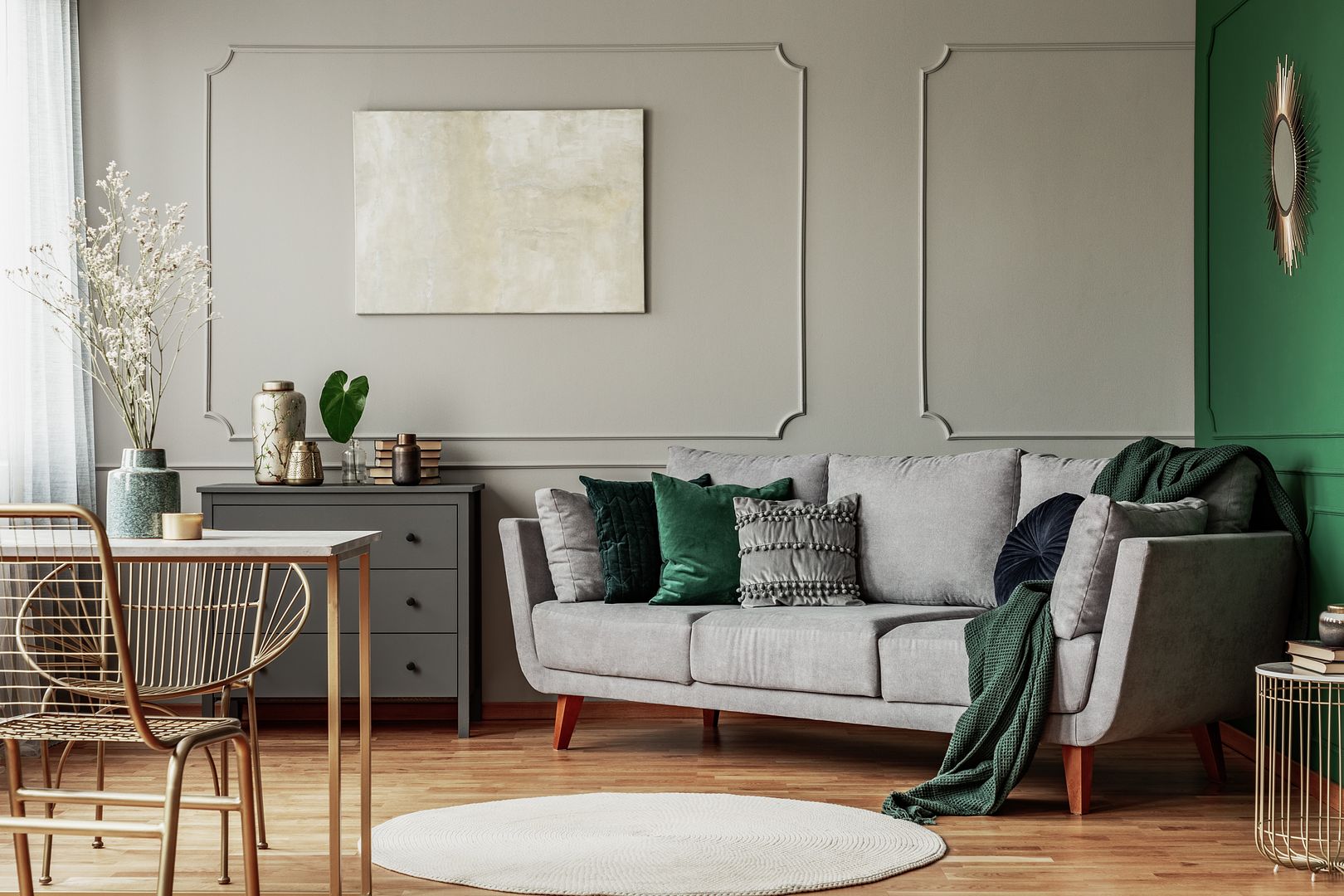
If the table will stand behind your sofa, measure from the floor to the highest part of the sofa back in its normal position. A useful starting point is a console tabletop level with that back, or slightly below it. A table rising well above the sofa can interrupt the sightline and make the two pieces look poorly matched.
For example, if the sofa back measures 78 cm from the floor, start by comparing tables around 73–78 cm high. Remember that some backs are rounded or have loose cushions that extend above the frame. Check the stable upholstered back rather than a removable cushion that may move. Allow access to power points and keep cords clear of places where people walk.
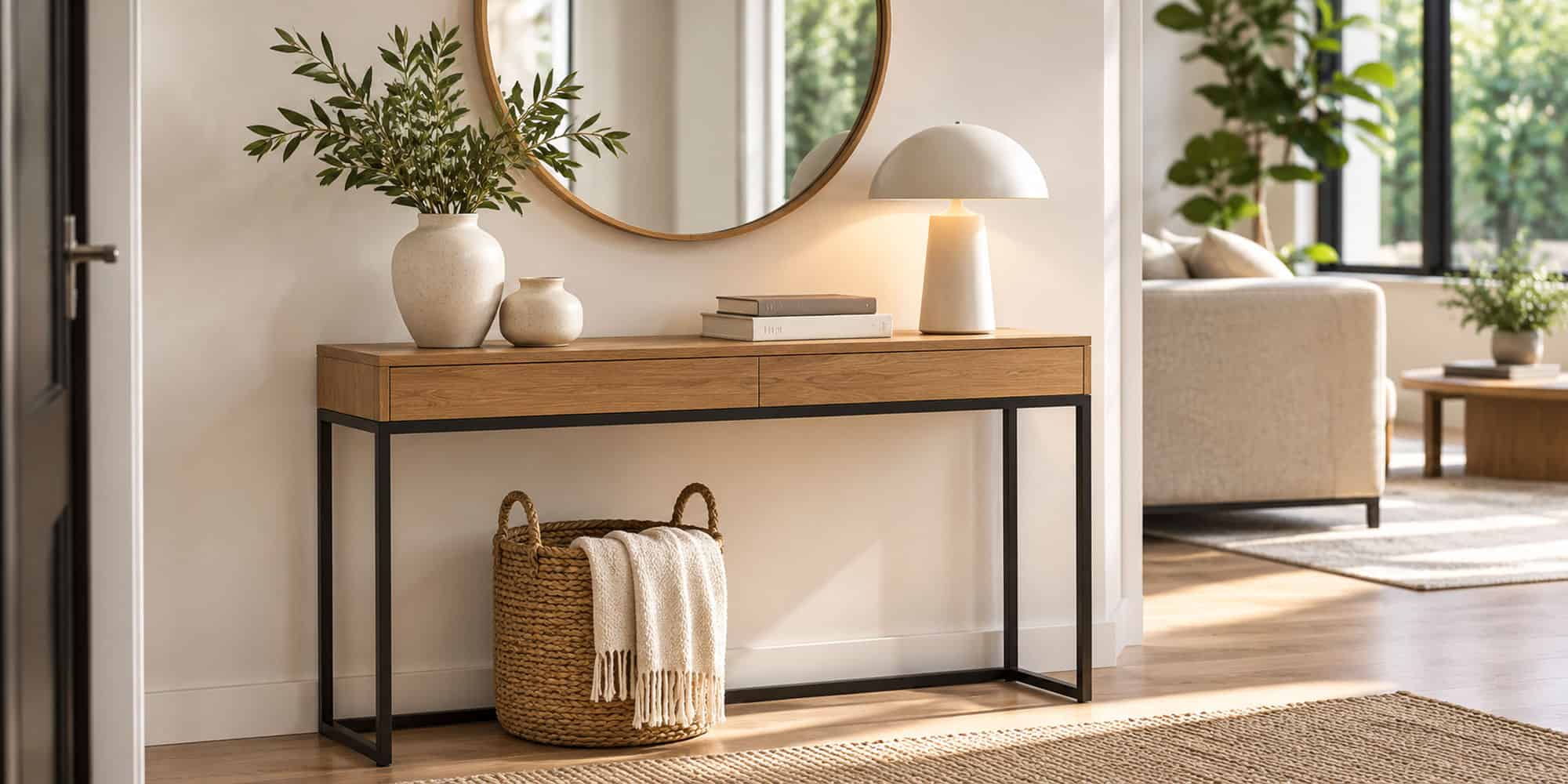
Best Height for an Entryway or Hallway
In an entryway, you are usually standing when you put down your keys, wallet or mail. A console around 75–85 cm high often makes a comfortable starting point, but taller or shorter designs may suit the people using it and the objects displayed.
Hallways introduce a different concern: the walkway. An Australian furniture guide describes narrow console depths of approximately 30–35 cm and recommends around 90 cm of clear walking room where practical. Measure the passage from the wall to the nearest obstruction, including doors that swing into the space. A slim table at the right depth is usually more useful than a tall table that gets in the way.
How to Measure Your Space Before Buying
Measure the height from the finished floor to where you want the tabletop, then note the available wall width and how far the table can project into the room. If you are placing it under artwork or a mirror, consider the visual gap above the surface. Check that a lamp and vase will not obstruct a doorway, switch or window.
For a behind-the-sofa position, measure the sofa’s full back height, the length across the back and the distance from the sofa to a wall or walkway. Use masking tape on the floor to mark the proposed tabletop footprint. If the table has drawers, allow space for them to open and for someone to stand in front of it.
Depth, Length and Proportion Matter Too
Console table height is only one dimension. Many narrow hall tables are approximately 25–35 cm deep, whereas a larger entryway or living-room console may offer a broader surface. Depth should be checked against the actual walkway; there is no benefit in gaining storage if the table becomes an obstacle.
Length influences the visual balance too. A small console can disappear against a long wall, while an oversized design can crowd a compact entrance. Compare its width with nearby furniture, mirrors and the space at either end. The shape of the legs or base can also affect how easy it is to clean around the table.
Choose a Height for What You Will Use It For
A console used as an everyday drop zone should make keys and other frequently used items easy to reach. If it mainly holds artwork, framed photographs or a decorative lamp, consider the total height of the display, not just the table. A narrow, tall arrangement can look top-heavy when several large objects are placed together.
Drawers and open shelves may add useful storage, but check the internal dimensions instead of assuming every console can hold bulky items. A decorative console is not automatically suitable as a desk: the seating clearance, tabletop depth and leg space may be insufficient for comfortable work.
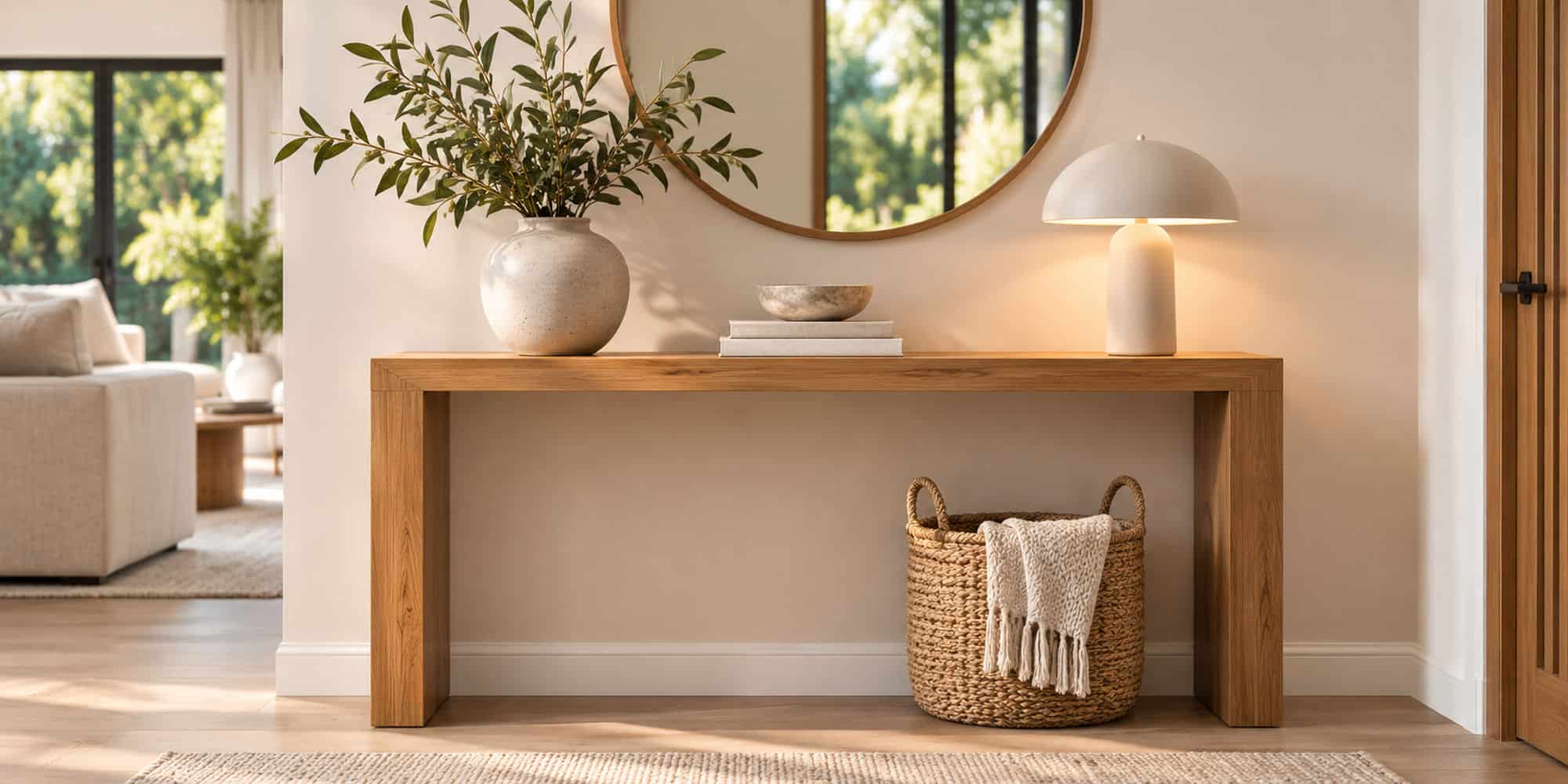
Consider Stability and Safe Placement
A console should sit firmly on a flat, stable floor. The ACCC recommends checking the stability of furniture and securing items that could topple, particularly where children might climb or pull on them. Follow the manufacturer’s anchoring instructions and choose appropriate fixings for the wall or floor. Ask a qualified installer if you are uncertain.
Keep heavy objects low where possible, and do not overload a slim top with equipment the furniture was not designed to carry. In an entryway or behind a sofa, stability matters just as much as having a height that looks balanced.
A Quick Buying Checklist
Before buying a console table, check the following:
• Is the height appropriate for standing use or aligned with your sofa back?
• Does the tabletop depth leave sufficient walkway space?
• Will the length look balanced against the wall and surrounding furniture?
• Can drawers open and will a lamp or mirror fit above the surface?
• Are the product’s weight limits, care guidance and anchoring instructions suitable?
When you have the measurements, browse Dreamo console tables and compare individual product dimensions with the space you measured.
Final Thoughts
For many Australian homes, 75–85 cm is a sensible console table height range to explore. Behind a sofa, however, its back height provides a better reference than a generic number. In a hallway, depth and room to move may be more important than a small difference in tabletop height.
Choosing by placement, measurements and everyday use helps the console look intentional and function well from the day it arrives.
FAQ
What is a standard console table height in cm?
Many Australian console tables are approximately 75–85 cm high, although shorter and taller options exist. Treat this as a starting range and compare actual product dimensions.
Should a console table behind a sofa be taller than the back?
Usually it looks more balanced level with or slightly below the sofa back. Measure the sofa first rather than relying on the average console height.
What console table height works in a narrow hallway?
Around 75–85 cm may be convenient, but depth and clear walking space are often more important. Check the full footprint, especially near doors and corners.
Is a console table the same height as a coffee table?
Generally no. Console tables tend to be taller and shallower because they are often used while standing or placed against a wall. Coffee tables sit lower near sofas.