






A dining chair might look perfect beside your table, but if its seat is too high or too low, everyday meals can feel awkward. The measurement that matters most is the height of the actual sitting surface, rather than the top of the chair’s backrest.
Most Australian dining chairs are made to pair with standard dining tables, yet small differences in cushion thickness, table construction and armrest height can change how comfortably they fit. Here is how to choose and measure dining chair seat height before buying.
What Is the Standard Dining Chair Seat Height?
A typical dining chair seat is around 43–50 cm from the floor, with many familiar designs sitting in the 45–48 cm range. This is a furniture-shopping reference, not a mandatory Australian standard. The most suitable measurement depends on the table, the people using it and the chair’s construction.
Be careful with the term ‘chair height’ on a product page. Overall height includes the backrest, while seat height measures only from the floor to the top of the surface you sit on. A chair with a high back can still have exactly the same seat height as a low-back design.
Match the Chair Seat Height to Your Dining Table
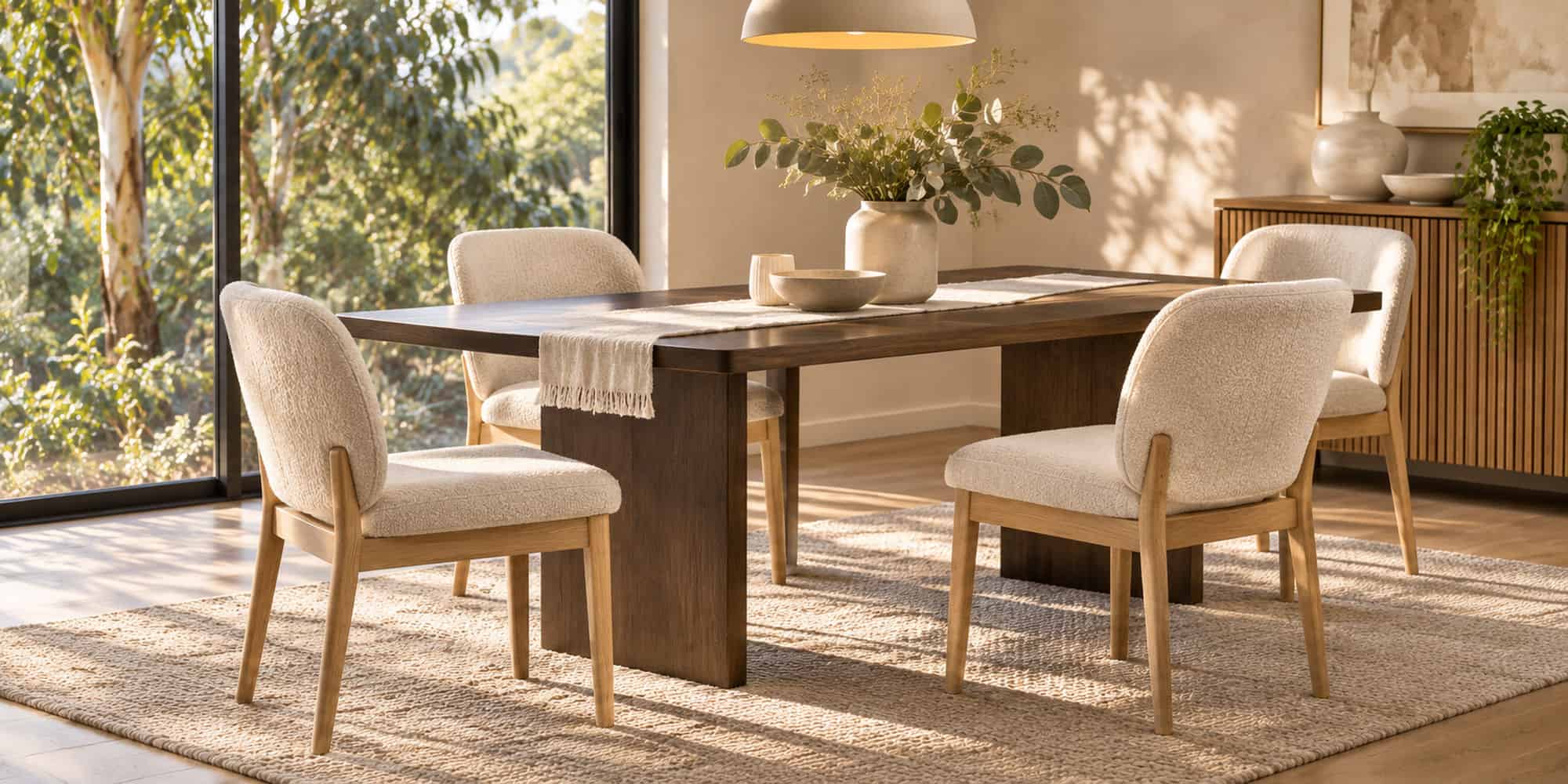
For a conventional dining table around 74–76 cm high, a seat roughly 45–48 cm high is a sensible starting point. Furniture guides commonly suggest approximately 25–30 cm between the top of the seat and the tabletop. That difference allows space for sitting and using the table without feeling too low or too high.
As a simple example, a 76 cm table paired with a 47 cm seat gives a 29 cm difference. It is a useful first check, but the tabletop is not necessarily the lowest part of the table. Check underneath before deciding that the combination will fit.
How to Measure Dining Chair Seat Height
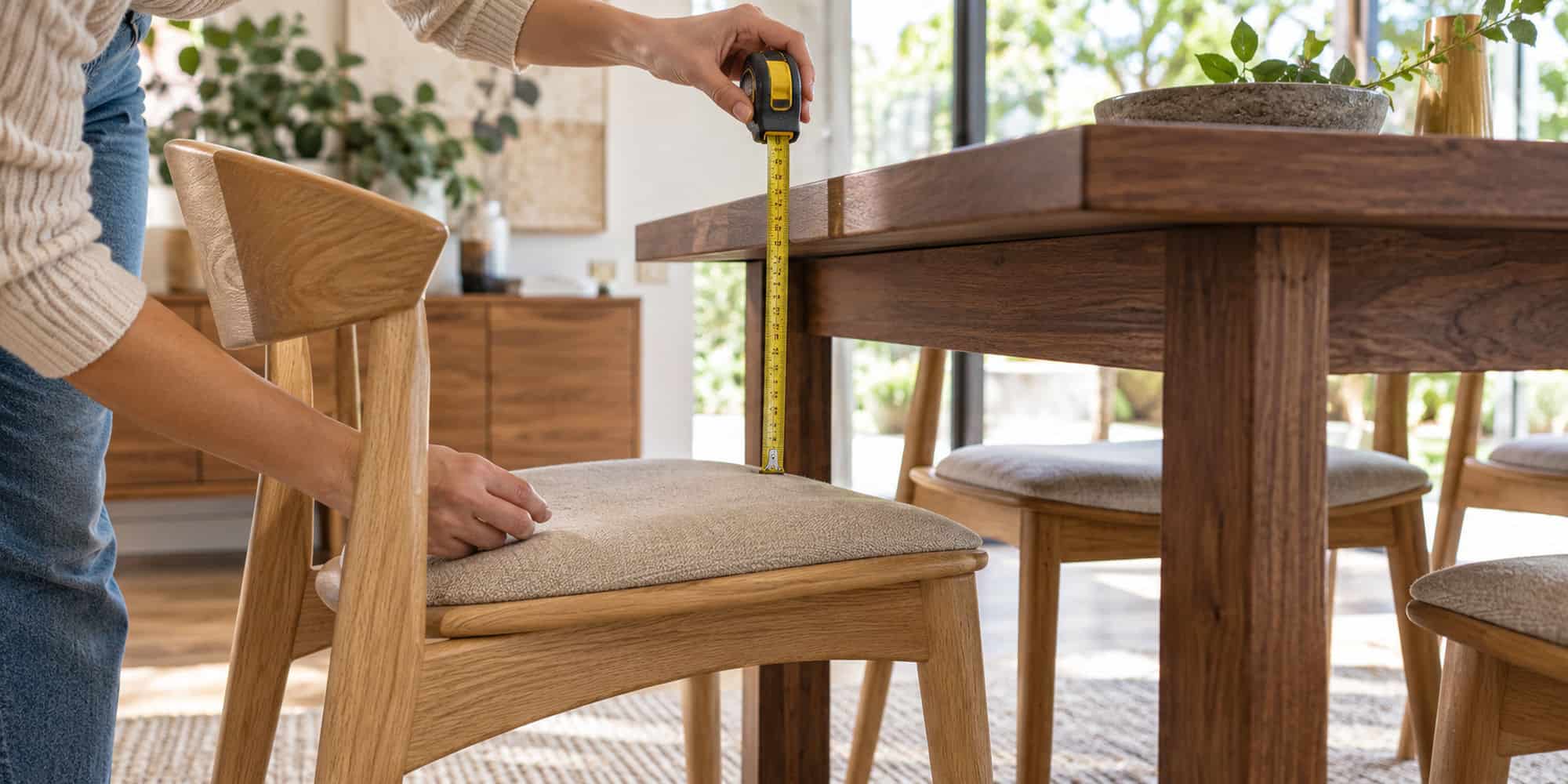
Stand the chair on a level floor. Measure vertically from the floor directly beneath the chair to the highest point of the seating surface, without following the angle of the legs or backrest. For a timber chair, measure to the solid seat; for an upholstered chair, measure to the top of its cushion.
If upholstery compresses when someone sits down, the effective seated height will be slightly lower than the unloaded dimension. Record both if you can. Then measure the dining table from the floor to its top, and separately from the floor to the lowest apron or supporting beam underneath.
Why the Table Underside Matters
A thick tabletop or low apron can reduce the space available for thighs and knees even when the seat-to-tabletop difference looks correct. Imagine two tables that are both 75 cm tall: a slim top with open space below may work with a chair that feels cramped under a heavier framed table.
Before ordering, check whether there is space for legs in a natural seated position. Also consider where the table legs or pedestal base sit. Some dining tables have enough vertical space but less room to slide a chair into place along the edge.
Check Armrests and Cushion Thickness
Dining chairs with arms need one more measurement: the height from the floor to the top of each armrest. Compare that with the lowest point under your table, not only the tabletop. A chair can be a comfortable sitting height and still fail to slide under the table because its arms catch the apron.
An upholstered seat may sink slightly when used, while an added seat pad raises the sitting position. If you’re mixing timber and cushioned chairs, try to keep their effective seated heights reasonably similar so people are not reaching the table from noticeably different levels.
Choosing a Height That Feels Comfortable
When testing a chair, sit back against the backrest with your feet resting naturally on the floor. Your knees should bend comfortably, your thighs should feel supported and you should be able to reach the table without raising your shoulders. These are practical comfort checks, not a rigid posture test.
Different people may prefer slightly different seat heights because leg length and body proportions vary. If a chair is only a little too high or too low, it can still feel wrong during a long meal. Testing the actual table-and-chair pairing is more useful than choosing purely by the advertised numbers.
Dining Chairs Are Not Counter Stools
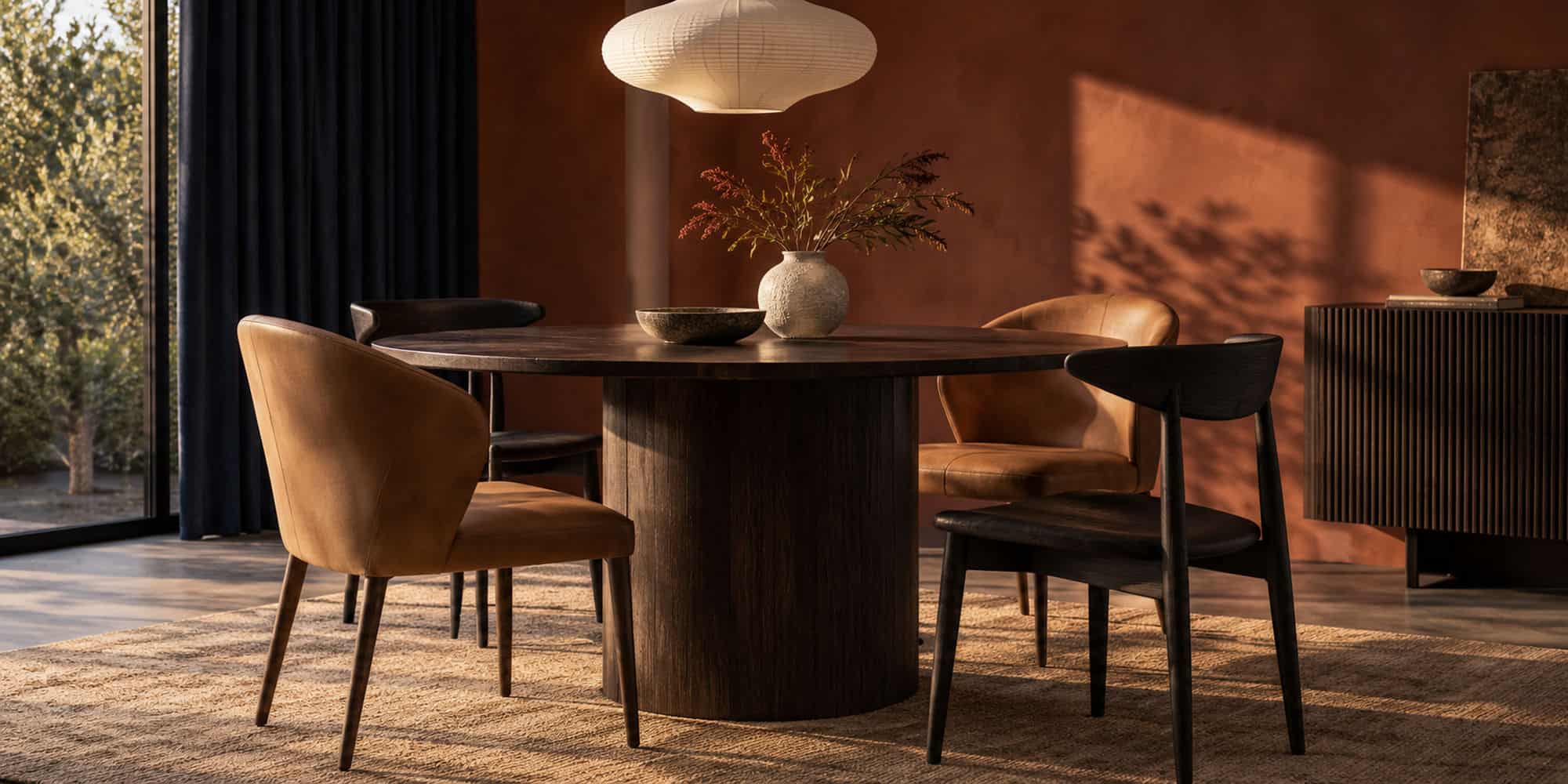
A standard dining chair is intended for a conventional dining table, not a kitchen island or tall bar table. Counter-height stools and bar stools have substantially higher seats and are designed around taller surfaces, often with footrests. Do not substitute one for the other just because the designs look similar.
If you are also furnishing a breakfast bar, see our bar stool buying guide for those separate height considerations.
A Practical Buying Checklist
Before buying, check the table’s actual height, the chair’s seat height and the clearance beneath the tabletop. If the chair has arms, check whether they slide under the table. Remember that cushions may compress and that overall chair height does not tell you how high the seat is.
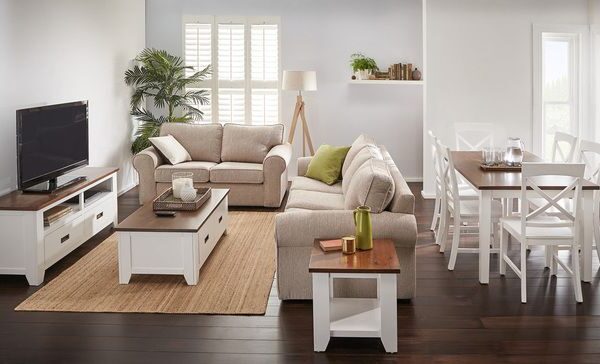
For a matched arrangement, explore Dreamo 4-seater dining sets and compare the published dimensions of each table and chair. If you’re pairing different ranges, measure both pieces rather than assuming that all ‘standard’ dining furniture shares identical dimensions.
Final Thoughts
A dining chair seat around 45–48 cm is a helpful starting point for many standard tables, but the combination is what matters. Aim for an appropriate seat-to-tabletop difference and confirm the space underneath for knees, thighs and armrests.
Take your measurements vertically from the floor, check the product specifications and sit in the pairing where possible. That simple process is more reliable than choosing a dining chair on appearance alone.
FAQ
What seat height works with a 75 cm dining table?
Around 45–48 cm is a common starting point, creating approximately 27–30 cm between the seat and tabletop. Check the table apron and try the chair if possible.
Do I measure dining chair height to the backrest or the seat?
For seat height, measure vertically from the floor to the top of the sitting surface. The floor-to-backrest measurement is the chair’s overall height, which is different.
Should dining chair armrests fit under the table?
Ideally, yes, if you want to tuck the chairs away. Measure from the floor to the armrest tops and compare that with the table’s lowest underside clearance.
Does an upholstered dining chair have a different seat height when occupied?
Soft upholstery can compress under a person’s weight, reducing the effective seated height. Check the manufacturer’s measurements and test the chair with its usual cushion if you can.