





Outdoor dining is part of everyday life in many Australian homes. From quiet weeknight dinners to long weekend gatherings, the way an outdoor dining area is set up can significantly affect how often it’s used and how comfortable it feels. One of the most overlooked factors is household size. A layout that works perfectly for two people can quickly feel cramped or inefficient for a growing family or frequent hosts.
Designing your outdoor dining space around how many people use it most often leads to better flow, better comfort, and fewer compromises.
Outdoor Dining for Singles and Couples
For singles and couples, outdoor dining is often about flexibility rather than capacity. Smaller tables and lightweight chairs make it easy to shift between dining, working outdoors, or simply enjoying a coffee in the sun.
Choosing pieces from a well-sized outdoor dining furniture range helps keep the space open and usable without committing to furniture that’s rarely filled. Compact layouts also suit balconies and courtyards where every square metre matters.
Family-Friendly Dining for 3–4 People
Households of three or four tend to use outdoor dining more regularly, not just for entertaining but for everyday meals. The ideal setup balances comfort with efficiency – enough seating for daily use, without overwhelming the space.
A practical combination of table and seating from outdoor tables and chairs allows families to dine comfortably while keeping walkways clear and layouts adaptable as routines change.
Dining Layouts for Larger Households and Entertainers
Larger families and households that entertain often need a more deliberate dining layout. Longer tables, sturdy frames, and generous spacing between seats make it easier for everyone to settle in comfortably.
In these cases, a defined dining zone works best, particularly when the dining area is part of a larger outdoor setup. Choosing from well-proportioned outdoor dining sets helps keep gatherings organised without encroaching on surrounding areas.
Combining Dining and Lounge Zones in One Space
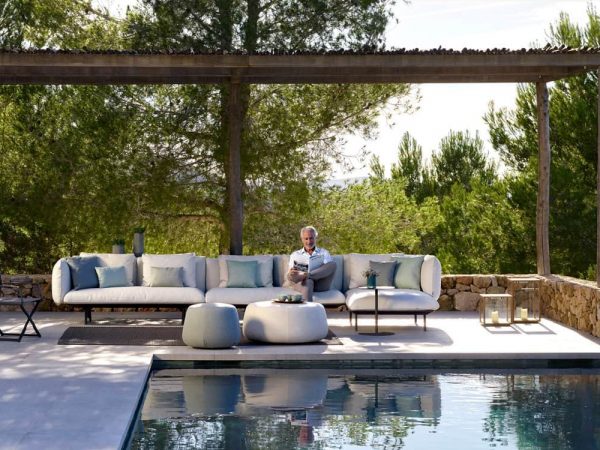
Many Australian outdoor areas serve multiple purposes, especially in suburban backyards and larger patios. Dining and lounging often share the same footprint, making layout planning essential.
Positioning dining furniture close to, but not directly within, an outdoor lounges area creates a natural transition between eating and relaxing. This approach keeps the space feeling connected rather than crowded, especially during social occasions.
Choosing Table Shapes That Match Household Needs
Table shape influences how comfortably people move and interact around a dining area. Rectangular tables suit longer spaces and larger households, while round or square tables often work better for smaller groups and compact areas.
Matching table shape to household size and available space helps prevent awkward layouts and ensures the dining area remains functional beyond special occasions.
Planning for Change as Households Grow
Household sizes aren’t static. Children grow, guests visit more often, and lifestyles shift. Outdoor dining furniture that can adapt to these changes reduces the need for replacements down the track.
Selecting pieces that integrate well within a broader outdoor furniture range makes it easier to expand or reconfigure your layout as needs evolve, without starting from scratch.
Final Thoughts
The most successful outdoor dining layouts are built around real-life use, not maximum capacity. By aligning furniture size, layout, and flexibility with household size, outdoor dining becomes part of everyday living rather than an occasional feature.
When the setup fits how your household actually lives, the outdoor dining area naturally gets used more often and with far less effort.