





Renting in Australia often means flexibility comes first. One year it’s a balcony in an apartment, the next it’s a small courtyard or shared outdoor area. That constant change makes buying outdoor furniture feel risky, but it doesn’t have to be. With the right approach, you can create an outdoor setup that feels considered, comfortable, and easy to take with you when you move.
This guide is designed for renters who want their outdoor space to feel like home without locking themselves into furniture that only works in one place.
Why Renting Changes How You Should Buy Outdoor Furniture
When you’re renting, outdoor furniture needs to work harder. It has to adapt to different layouts, survive frequent moves, and fit through narrow doorways or lifts. There’s also the reality of strata rules, balcony weight limits, and the fact that permanent fixtures are usually off the table.
Instead of buying pieces designed for long-term, fixed installations, renters are better off starting with flexible setups from a broader outdoor furniture collection that can transition smoothly between properties.
What Makes Outdoor Furniture Renter-Friendly
Renter-friendly outdoor furniture usually shares a few key traits. It’s lightweight enough to move without hassle, designed in sections rather than fixed pieces, and easy to reconfigure when your outdoor area changes shape or size. Furniture that doesn’t rely on drilling, bolting, or wall mounting is also far more practical for rental properties.
Versatility matters too. Pieces that work on a balcony today but still feel at home in a future backyard deliver far more long-term value.
Best Outdoor Furniture Types for Renters
Lightweight Outdoor Seating
Lightweight seating is one of the safest choices for renters. Chairs and compact sofas are easier to move, less likely to cause damage during relocation, and simpler to store between homes. This is why many renters lean towards adaptable outdoor seating that can be separated or rearranged when space is limited.
Modular Outdoor Lounges
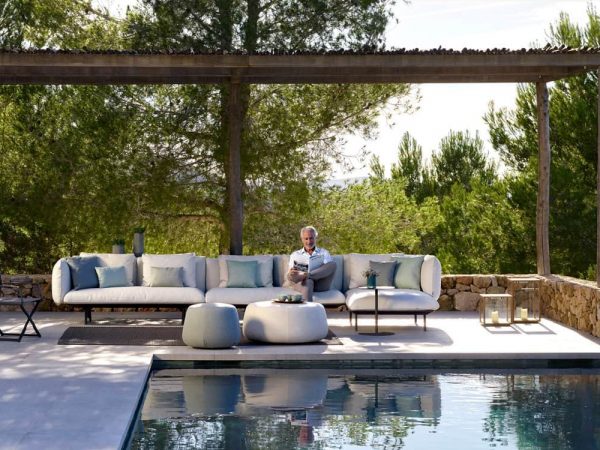
Modular designs are especially renter-friendly because they adapt easily. A configuration that suits a narrow balcony can be reshaped to fit a larger courtyard later. Choosing a modular setup from the outdoor lounges range allows you to expand or downsize your layout without replacing everything when you move.
Compact Outdoor Dining Sets
If outdoor meals are part of your lifestyle, compact dining furniture is a smart investment. Smaller outdoor tables and chairs work well in balconies and shared spaces while remaining practical to transport, and they continue to suit larger homes later on without feeling undersized.
Stackable or Multi-Use Pieces
Furniture that stacks or serves more than one purpose is ideal for rental living. Stackable chairs reduce storage issues, while multi-use items like side tables that double as extra seating help you make the most of limited space without clutter.
Materials That Suit Renters Best in Australia
Material choice plays a big role when you expect to move. Aluminium is popular among renters because it’s lightweight, rust-resistant, and performs well in Australian conditions. PE wicker is another strong option, offering durability without the weight of timber or stone, which is why many renters gravitate towards durable wicker outdoor furniture for long-term flexibility.
Heavier materials such as solid hardwood or concrete may look appealing but can quickly become impractical when stairs, lifts, or frequent relocations are involved.
Balcony and Small-Space Considerations for Renters
Many Australian rentals prioritise balconies over large yards, so proportions matter. Measuring access points such as doors, hallways, and lifts is just as important as measuring the outdoor area itself.
Furniture designed specifically for compact areas often prioritises smaller footprints and lighter construction, making balcony furniture a safer choice when space and access are tight.
How to Protect Outdoor Furniture When You Don’t Control the Property
Without the option to install permanent shade or fixtures, renters need simple protection strategies. Using removable covers, bringing cushions indoors during heavy rain, and repositioning furniture during extreme weather all help extend its lifespan.
Choosing pieces designed to handle exposure also reduces the need for modifications, particularly when setting up outdoor lounges that need to remain flexible and non-permanent.
Buying for Now vs Buying for the Next Place
A common renter dilemma is whether to buy for the current space or the next one. In most cases, buying for flexibility wins. Neutral designs, adaptable sizing, and furniture that works across different layouts are easier to live with long term.
Instead of choosing pieces tailored to one balcony or courtyard, think about how the furniture might sit alongside future outdoor dining or entertaining spaces.
Common Mistakes Renters Make When Buying Outdoor Furniture
One of the biggest mistakes renters make is buying furniture that fits the current space perfectly but becomes a burden when moving. Oversized lounges, heavy dining tables, or fixed configurations often don’t survive multiple relocations.
Another issue is prioritising aesthetics over practicality. While style matters, renter-friendly outdoor furniture should balance appearance with portability and adaptability.
Final Thoughts
Outdoor furniture for renters doesn’t need to feel temporary or compromised. With the right choices, it’s possible to build an outdoor setup that moves with you, adapts to new homes, and still feels intentional.
By focusing on flexibility, practical materials, and adaptable layouts, renters can enjoy their outdoor spaces now while staying ready for whatever comes next.