






A console table is one of those pieces of furniture that can solve several problems at once. It can fill an awkward empty wall, create a useful landing spot near the front door, add extra storage or simply give you somewhere to bring personality into a room. Because it is usually narrow and designed to sit against a wall or behind another piece of furniture, it can work where a desk, dining table or cabinet would feel too bulky. The key is choosing the right size and deciding what you actually want the table to do in your space.
What Exactly Is a Console Table?
A console table is typically a slim table that sits against a wall, although it can also be positioned behind a sofa. It is generally taller than a coffee table and shallower than most desks or dining tables, giving you a useful surface without taking up much floor space. That narrow profile is what makes console tables particularly practical in hallways, entryways and open-plan living areas.
Designs range from simple tabletops with open frames to pieces with drawers, shelves or enclosed storage. A minimal console can work mainly as a display surface, while a design with storage can help contain everyday items that would otherwise create clutter. There is no single correct use; the best option is the one that fits both the available space and the way your household uses it.
Where Can You Use a Console Table?
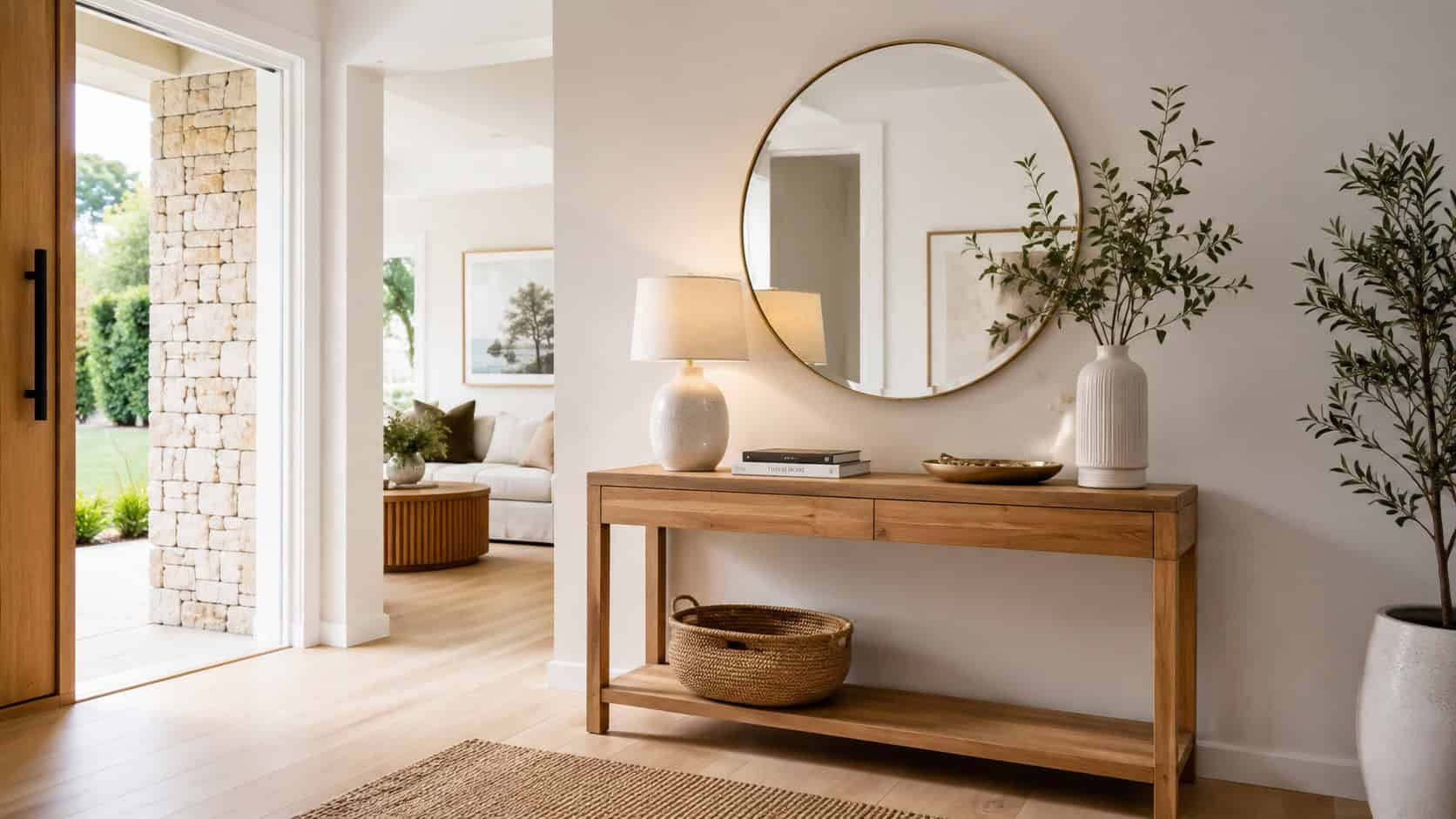
The entryway or hallway is probably the most familiar place to use one. A console gives you somewhere to put keys, mail, sunglasses or a handbag when you arrive home, while a mirror or artwork above it can make the entrance feel more complete. In a narrow hallway, choosing a shallow design keeps the area useful without making the walkway feel crowded.
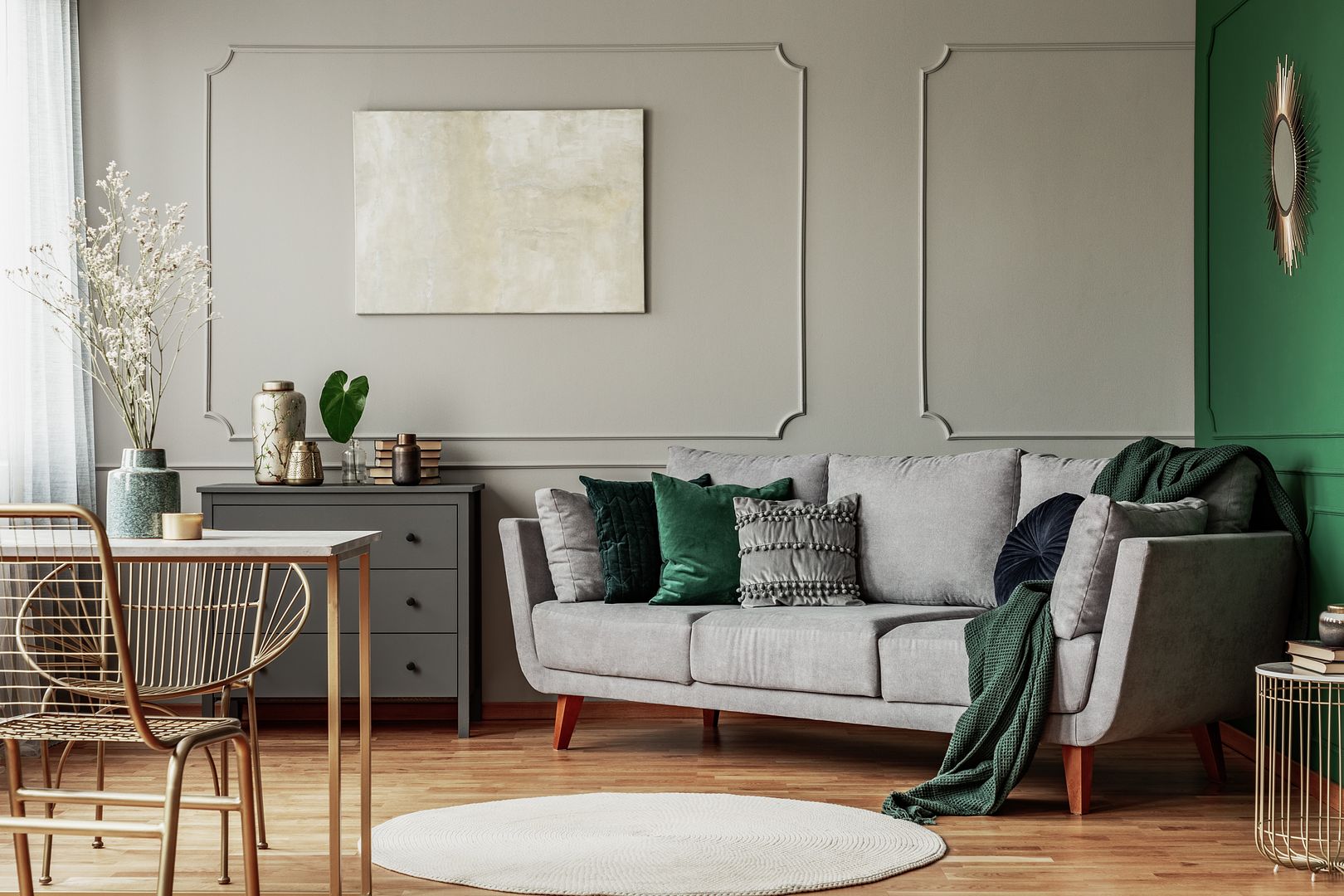
In the living room, a console can sit against an empty wall or behind a sofa. Behind a sofa, it helps define the seating area in an open-plan home and provides a surface for a lamp, books or a few decorative objects. Against a wall, it adds interest without the visual weight of a larger cabinet, which can be useful when the room already contains substantial furniture.
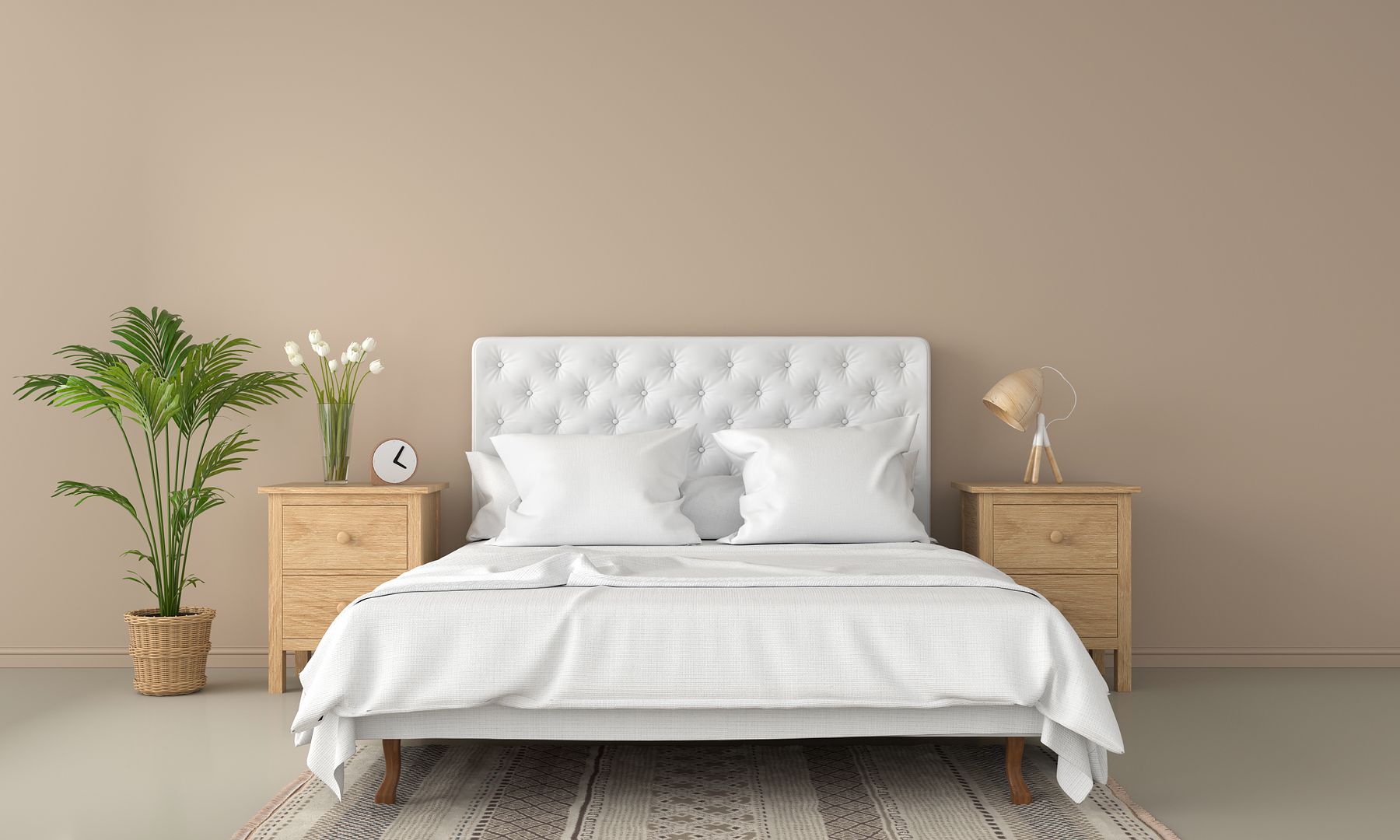
A console can also work in a dining area as a light serving surface for glassware, platters or decorative pieces. It will not replace a full buffet if you need serious storage, but it can suit a smaller dining room. In a bedroom, the right design can serve as a compact dressing surface, display area or occasional workspace.
How to Choose the Right Console Table Size
Start by measuring the wall or area where you plan to place the table. Width matters for proportion, but depth is often the measurement that determines whether a console will actually work. This is especially important in hallways and other circulation areas. Marking the footprint on the floor with masking tape is an easy way to visualise the space before you buy.
If the console will sit behind a sofa, compare its height with the sofa back as well as its overall width. A table that sits around the same height as the back of the sofa, or slightly lower, will usually feel balanced. It does not need to run the full width of the sofa, but it should look proportionate rather than undersized beside a large sectional or modular design.
Storage or Simple Design – Which Works Better?
The right choice depends on what you need the table to do day to day. Drawers can be especially useful near an entrance because they give small items a designated place. Shelves can hold baskets, books or decorative objects, while enclosed storage keeps less attractive essentials out of sight.
If storage is not a priority, an open or minimal console can make a small room feel lighter and less crowded. This can work particularly well in a narrow hallway or compact living room. Before choosing extra drawers and shelves simply because they are available, consider whether you will genuinely use them; sometimes a cleaner design is the more practical choice.
How to Style a Console Table
Console styling works best when the surface has a clear focal point rather than lots of small objects competing for attention. Start with one larger element, such as a mirror or artwork above the table, then add a few items at different heights. A lamp can provide useful light and visual height, while a vase, small plant, stack of books or decorative bowl can add interest without making the surface feel cluttered.
You do not need perfect symmetry. A taller lamp or vase on one side can be balanced by a lower group of objects on the other, creating a relaxed arrangement that still feels intentional. Leave some empty space on the tabletop too; it usually looks more polished and keeps the surface useful for everyday items when needed.
How to Match a Console Table with Your Existing Furniture
Your console table does not need to be an exact match for everything else in the room. Interiors often feel more considered when furniture pieces relate to one another without looking like a matching set. Look for one or two shared elements instead, such as a similar timber tone, repeated black detailing, rounded shapes or a material that already appears elsewhere in the room.
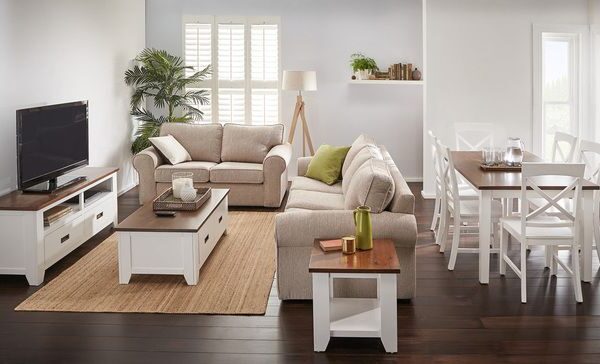
The same principle applies when coordinating with coffee tables and other living room furniture: aim for cohesion rather than identical finishes. If your sofa and flooring already feel visually heavy, a console with a lighter frame can provide contrast. If you are still deciding on the broader direction of the room, our Furniture Style Guide can help you identify design elements worth repeating throughout the space.
Final Thoughts
A console table earns its place by being adaptable. The best choice comes down to where it will sit, how much space you have, whether you need storage and how the table will relate to the furniture already around it. Once those practical details are clear, you can focus on a design that adds function without making the room feel crowded. Explore our console tables to find an option that suits your space and the way you use it.