





Introduction – A Good Sun Lounge Is About More Than Relaxing by the Pool
A sun lounge has an obvious appeal: it gives you somewhere to stretch out, slow down and actually enjoy your outdoor space. But choosing the right one is not only about comfort or appearance. The best sun lounge should also suit the size of your outdoor area, handle Australian conditions well and make sense for the way you plan to use it from day to day.
It is also more versatile than many people think. While sun lounges are often associated with poolside settings, they can work just as well on a deck, in a courtyard, on a patio or in a quiet garden corner. Once you know where it will go and what matters most to you, it becomes much easier to narrow down the right style.
Start with Where You Plan to Use It
The first step is to think about placement. A poolside area usually suits a more resort-style setup, where the lounge is part of a relaxed zone for sunbathing, reading or drying off after a swim. A patio or deck may need something that feels a little more connected to your dining or lounge furniture, especially if the sun lounge will sit within a broader entertaining area.
In a garden, the focus may be more on outlook and privacy, while on a balcony or in a compact courtyard the main challenge is space. A larger outdoor area can comfortably accommodate two matching pieces, but a smaller one may work better with a single lounge positioned as a feature. Looking through our sun lounges can help you compare the styles that make the most sense for different settings.
How Much Space Does a Sun Lounge Need?
A sun lounge usually takes up more room than people expect, particularly when it is fully extended. Measuring the space properly before you buy will save a lot of frustration later. You need enough length for the lounge itself, enough width so it does not feel cramped and enough room around it for easy access. If it sits next to a pool, it should still allow comfortable movement through the area rather than blocking the natural path around the water.
If you plan to buy two or more, think about how they will sit together. Leaving space between the lounges usually feels more relaxed and practical than pushing them tightly side by side. It is also worth checking whether you want room for a small side table, towel storage or an umbrella base nearby. Those details can change how much space the setup really needs.
Adjustable vs Fixed Sun Lounges
An adjustable backrest is one of the most useful features in a sun lounge because it gives you flexibility in how you use it. You may want to lie flat for sunbathing, sit more upright while reading or lift the back slightly when chatting with someone nearby. For many households, that extra versatility makes adjustable designs the more practical option.
A fixed design can still work well if you mainly want a simple, streamlined piece and already know how it will be used. In some outdoor spaces, that simplicity can suit a cleaner look. The question is less about which is universally better and more about whether you want a lounge that adapts to different situations or one that keeps things minimal.
Choosing the Right Material for Australian Outdoors
Material has a big influence on both appearance and maintenance. Aluminium is popular because it is lightweight, modern-looking and generally easy to move around. If you want something sleek and practical, aluminium sun lounges are often a strong choice for patios, pool areas and contemporary outdoor settings.
Wicker has a softer, more relaxed look and often suits homes that lean coastal, resort-inspired or classic in style. If that is the direction you prefer, wicker sun lounges can bring more texture and warmth to the space. PP designs can also be worth considering if you want something easy-care and practical. The right material depends on the look you want, how exposed the area is and how much ongoing maintenance you are comfortable with.
Cushioned or Uncushioned?
This comes down to a balance between comfort and convenience. Cushioned sun lounges tend to feel more luxurious straight away, particularly if you plan to spend long stretches reading or relaxing outdoors. A well-padded cushion can make the lounge more inviting and complete the overall look, especially in a premium outdoor setting.
At the same time, cushions add another layer of maintenance. They may need to be stored away during poor weather or brought in when not in use, depending on the setup. Uncushioned options can be simpler to manage, though many people still like to soften them with accessories. If you want to add comfort without going overboard, outdoor cushions can be a flexible way to make the lounge feel more comfortable and finished.
Think About Portability and Storage
Not every sun lounge will stay in one spot all year. In some homes, it may be moved around the yard to follow the sun, shifted out of the way when entertaining or stored more neatly during the cooler months. If that sounds like your setup, pay attention to how heavy the piece is and whether it will be easy to reposition without too much effort.
This is where lighter materials and practical design details make a real difference. If you know the lounge will live permanently in one place, portability may matter less. But if your outdoor area needs to stay flexible, it is worth choosing a design that is easy to handle rather than one that looks good but becomes inconvenient in everyday use.
How to Style Sun Lounges in Your Outdoor Space
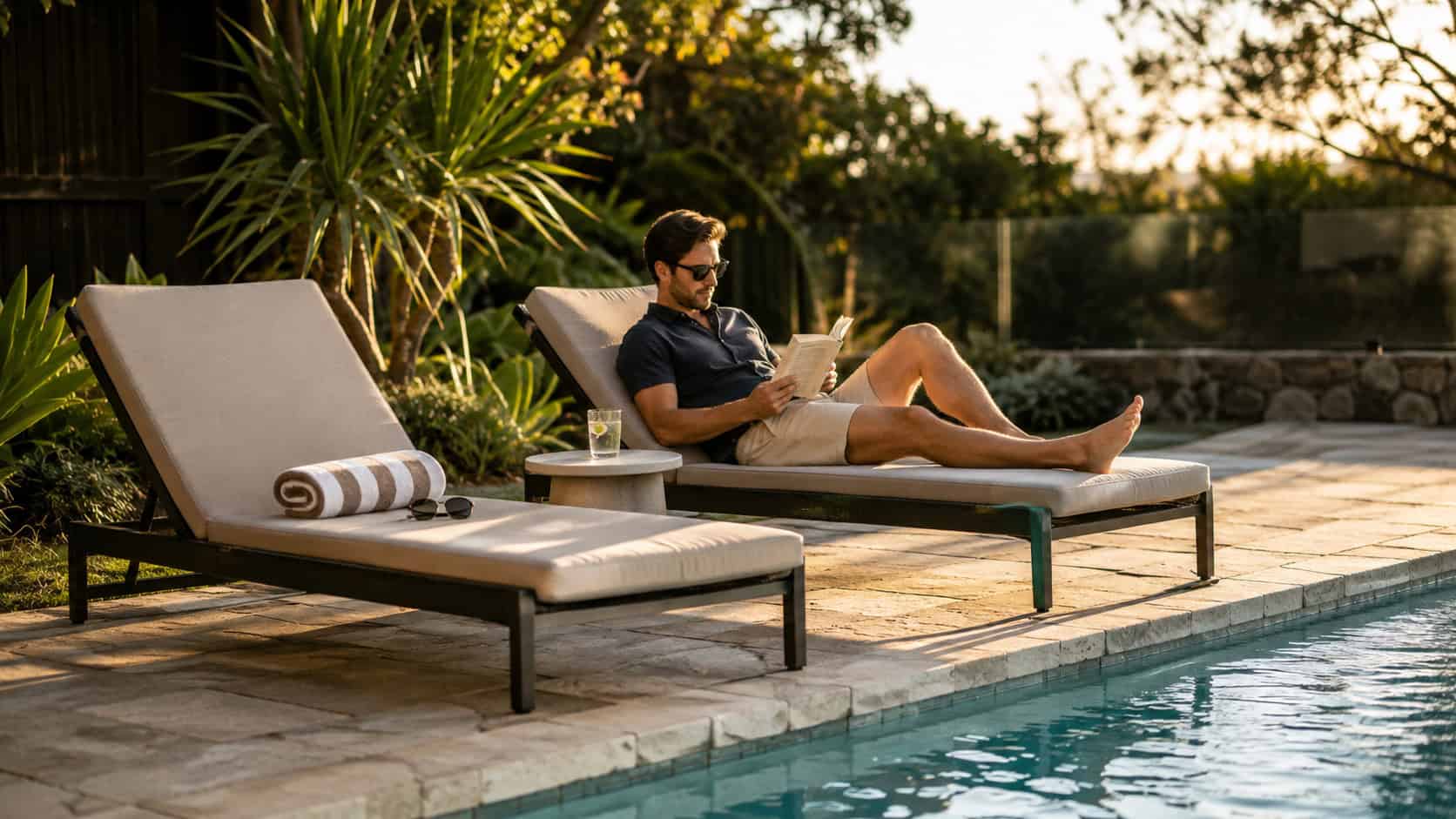
Styling should support relaxation rather than overpower it. A sun lounge usually looks best as part of a simple, considered setup. A small side table can give you somewhere to place a drink, sunglasses or a book, while a nearby umbrella can make the area much more usable in strong sun. That is especially helpful if the lounge will be used through warmer parts of the day.
You also do not need to treat the pool area as the only place a sun lounge belongs. On a deck or patio, it can work beautifully alongside other outdoor furniture as a separate retreat space. If shade is important in your setup, outdoor umbrellas can help make the area more comfortable and practical without changing the relaxed feel.
Final Thoughts
The right sun lounge should suit your space as well as your lifestyle. Once you have thought through the placement, size, material, comfort level and maintenance needs, the decision becomes much clearer. There is no single best choice for every home, but there is usually a clear best fit for the way you plan to use your outdoor area.
If you get those fundamentals right, a sun lounge can become one of the most enjoyable pieces in your outdoor setup. Whether you want something sleek and contemporary or more relaxed and textured, the goal is the same: a comfortable place to unwind that genuinely works in your home.