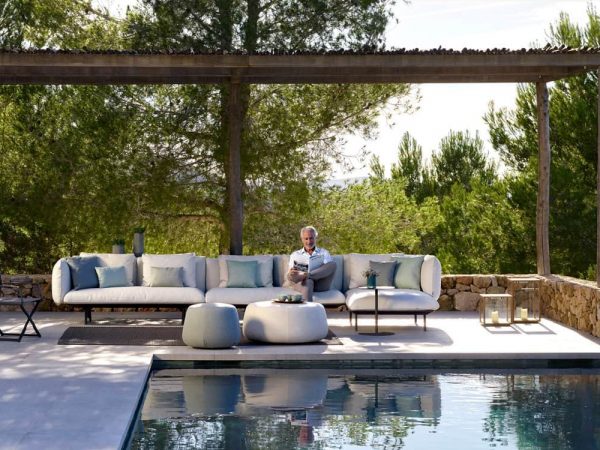






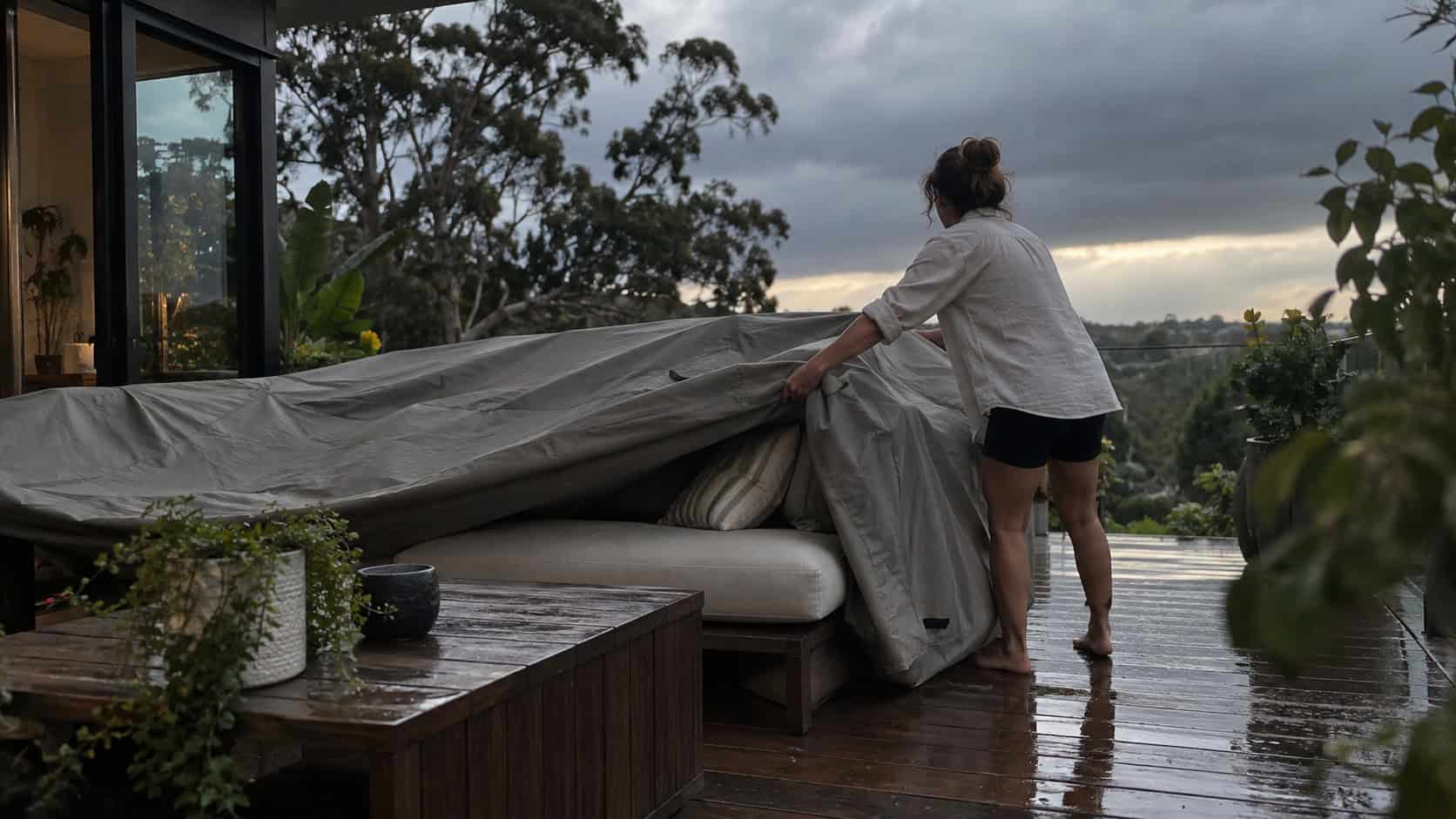
Outdoor furniture is designed to live outside, but that does not mean constant exposure has no effect. Strong UV, rain, dust, leaves, bird droppings and everyday grime can all increase the amount of cleaning and maintenance your setting needs over time. A well-fitted cover adds a useful layer of protection, especially when furniture stays outdoors year-round or sits in an exposed position.
The key is choosing a cover that suits the furniture and the conditions around it. A cover that is too loose can flap in the wind, one that is too tight may be difficult to fit, and a cover with poor airflow can trap moisture underneath. The goal is not to make outdoor furniture maintenance-free, but to reduce unnecessary exposure and make day-to-day care easier.
When Is an Outdoor Furniture Cover Worth Using?
A cover is particularly useful when your furniture spends long periods outside without overhead protection. It can also be worthwhile if you only use the setting occasionally, because dust and debris can build up surprisingly quickly between uses. Even under a pergola or covered alfresco, wind-driven rain, pollen and dirt can still reach the furniture.
- Furniture stays outdoors throughout the year.
- The setting receives long periods of direct sun or rain.
- You use the furniture mainly on weekends or for entertaining.
- Leaves, dust or bird droppings are common in the area.
- You want extra protection during periods when the setting is rarely used.
If the setting is used every day in a well-sheltered area, you may decide a cover is only needed during bad weather or longer periods away. The most practical approach depends on how exposed the furniture is and how often you want to uncover and re-cover it.
Start with the Right Size and Fit
Start by measuring the furniture rather than guessing from product names such as three-seater, dining set or modular lounge. Check the overall width, depth and height, including armrests, table tops, back cushions and any other parts that extend beyond the main frame. If you are covering a complete setting, measure the furniture in the arrangement you actually plan to leave outdoors.
A little extra room makes a cover easier to put on and remove, but excessive loose fabric can create problems in windy weather and encourage water to pool on top. At the other extreme, a cover that has to be stretched tightly over corners or cushions may put unnecessary strain on seams and fasteners. Aim for a secure, natural fit rather than the tightest possible fit.
Individual Covers vs One Large Setting Cover
There is no single best format for every outdoor area. The right choice depends on whether your pieces stay together, how often you rearrange them and how quickly you want to cover the setting.
| Option | Best For | Main Advantage |
| Individual covers | Separate chairs, tables or standalone pieces | More tailored fit |
| Full setting cover | Furniture that normally stays grouped together | Quicker to cover and uncover |
| Modular approach | Settings that are regularly rearranged | More flexibility as layouts change |
For a modular lounge that changes configuration, separate covers may be easier to live with. For a dining setting that remains in the same position, one larger cover may be simpler. Whichever option you choose, make sure the shape of the cover matches the furniture well enough to avoid large unsupported areas where rainwater can collect.
What Should the Cover Material Do?
Outdoor cover fabric needs to do several jobs at once. Water resistance helps limit rain reaching the furniture, UV resistance matters when the cover itself sits in direct sun, and good tear resistance helps it cope with repeated fitting and removal. An easy-clean outer surface is also useful because the cover will collect the same dust, leaves and grime you are trying to keep off the furniture underneath.
Be cautious about treating terms such as water-resistant and waterproof as interchangeable. Unless a specific product is clearly described and tested as waterproof, it is safer to think of the cover as reducing exposure rather than creating a completely sealed environment. You can browse our outdoor furniture covers to compare options designed for different outdoor settings.
Why Ventilation Matters
Keeping rain out is only half the job. Moisture can also come from condensation, damp cushions, humidity or water already sitting on the furniture when the cover goes on. If that moisture becomes trapped for long periods, it can create musty smells and encourage mildew on fabrics and surfaces.
Where possible, choose a cover and setup that allow some airflow rather than sealing damp furniture tightly. Furniture should be reasonably dry before it is covered for an extended period, and the cover itself should be allowed to dry before long-term storage. This is particularly important in wet or humid conditions.
Secure Fit – What Happens in Windy Weather?
A cover that fits well on a calm day may behave very differently when the wind picks up. Drawcords, straps, buckles, elastic hems or other securing points can help keep it in place and reduce constant flapping. That matters for both convenience and durability, because repeated movement can wear the cover against furniture edges over time.
Always follow the cover manufacturer’s instructions for securing it. In severe weather, a cover is not a substitute for moving lightweight furniture or accessories to a safer position when that is practical.
Should Cushions Stay Under the Cover?
For short periods, keeping dry outdoor cushions beneath a suitable cover may be convenient. For longer stretches of wet weather, however, it is usually better to think about moisture management rather than simply hiding everything underneath. Damp cushions should not be enclosed for long periods, and even dry cushions can benefit from being stored somewhere sheltered when the setting will not be used for a while.
If cushions are a major part of your outdoor setting, our Outdoor Cushion Buying Guide covers the practical points around outdoor fabrics, comfort and care in more detail.
How to Use Furniture Covers Properly
A good cover works best when the routine around it is sensible. A few simple habits can reduce trapped moisture, improve fit and make the cover easier to maintain:
- Cover furniture when the setting is reasonably dry.
- Secure straps, cords or fasteners before windy conditions.
- Avoid letting large pools of water sit on unsupported areas of the cover.
- Allow both furniture and the cover to dry before long-term storage.
- Clean the cover periodically rather than allowing dirt to build up indefinitely.
It is also worth checking underneath the cover from time to time, particularly after extended wet weather. A cover reduces exposure, but occasional inspection is still part of looking after outdoor furniture properly.
Covers vs Moving Furniture into Storage
Covers are excellent for day-to-day protection because they let you leave the furniture in place and get it ready for use quickly. They are not always the best answer for every long-term situation. If a lightweight piece can be moved into a dry, sheltered location during a long off-season, doing so may provide more protection than leaving it exposed under a cover for months at a time.
The best strategy can also be a combination of both: use covers through normal weather changes, then move smaller or more sensitive pieces when you know they will not be used for an extended period. Our guide to storing outdoor furniture during the off-season explains that longer-term approach in more detail.
Final Thoughts
The most useful outdoor furniture cover is the one that fits properly, suits your level of weather exposure and is easy enough to use that you will actually put it on when needed. Focus on fit, material, ventilation and secure fastening rather than simply choosing the largest cover available.
Used well, a cover can reduce cleaning, limit everyday exposure and help keep your outdoor setting ready for the next sunny day. It works best as part of a broader care routine rather than as a replacement for maintenance altogether.