





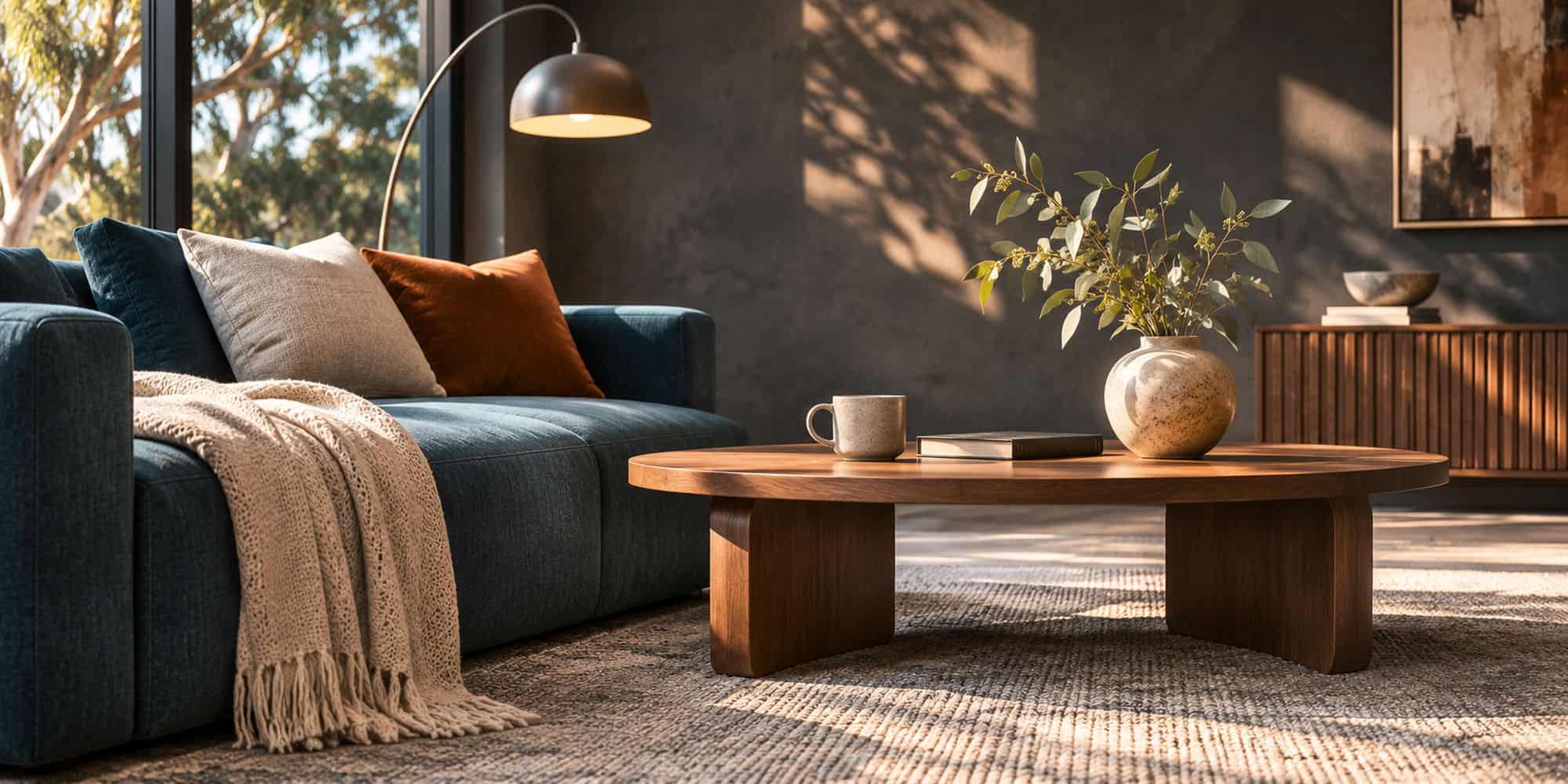
A coffee table can look perfectly proportioned in a showroom but feel awkward once it is placed in front of your sofa. If the top is too high, it may interrupt the room’s sightlines. If it is much too low, reaching for a drink or book can become inconvenient.
The right coffee table height starts with your existing seating, not a universal measurement. This guide explains the common Australian height range, how to measure your sofa and how to test whether a particular table will work in your living room.
What Is the Standard Coffee Table Height?
Most conventional coffee tables are approximately 40–46 cm high, although low-profile and taller designs sit outside that range. This is a general furniture-industry guide, not an Australian legal standard or a dimension that suits every sofa.
An everyday coffee table is usually lower than a dining table or an occasional side table. Its purpose is to offer an accessible surface near seated guests without dominating the space. Treat the advertised height as your starting measurement, then compare it against the seat height of your actual lounge.
Match the Table Height to Your Sofa Seat
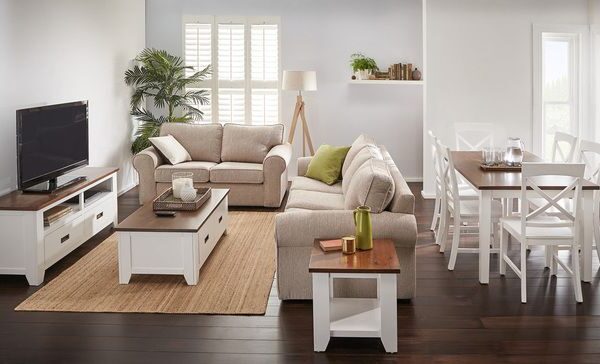
A useful rule of thumb is to choose a table close to the top of the sofa cushion or approximately 2–5 cm lower. Australian furniture guides recommend this relationship because it keeps everyday items within comfortable reach and helps the coffee table sit visually alongside the seating rather than towering over it.
For example, with a sofa seat around 45 cm from the floor, a coffee table approximately 40–45 cm high is worth considering. With a particularly low lounge at 38 cm, a 35–38 cm table may feel more natural. These examples are guides, not precise ergonomic prescriptions: personal reach, cushion firmness and intended use also matter.
How to Measure Your Sofa and Coffee Table
Start by measuring from the floor to the top of the sofa’s seat cushion, not the top of its backrest or arm. Cushions may compress when someone sits down, so check your seated height as well if the cushions are particularly soft. Note whether a thick rug changes how the table legs sit relative to the sofa.
Next, compare that height with the coffee table’s published floor-to-top measurement. To visualise the difference, place a stable temporary surface at a similar height in front of the sofa, keeping it clear of walkways. Sit normally and see whether you can reach a glass or book without excessive bending or lifting your arm. Avoid using unstable stacked objects that could topple.
Coffee Table Height for Different Sofa Styles
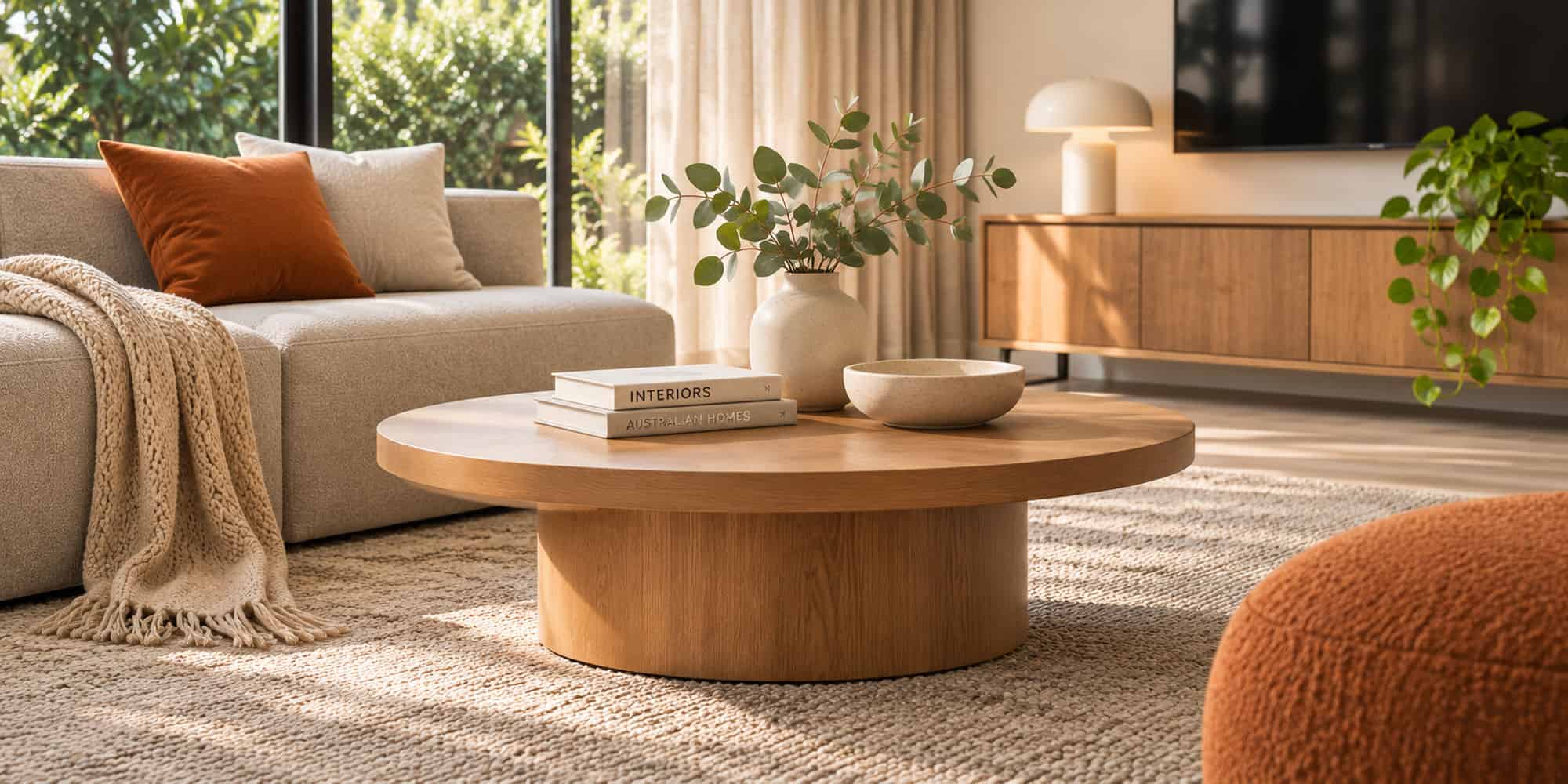
Modern low-profile sofas often work with lower coffee tables because their seats are closer to the ground. A raised sofa on taller legs may pair better with a more conventional tabletop height. A deep modular lounge can make reaching forward less convenient, so check both the height and how far you sit from the table.
If you have a sectional sofa with different seating positions, test reach from the seats used most often. A nested set of tables at different heights can be useful when guests sit around a large lounge, provided each piece remains stable and does not block foot traffic.
Leave Enough Space Between Sofa and Table
Height alone will not make a coffee table comfortable to use. As a practical reference, allow around 35–45 cm between the front of the sofa and the nearest table edge. That gives many people room to move their legs while keeping drinks within reach. Narrow or high-traffic rooms may need a different layout.
Measure any main walkway around the seating zone too. If you have to squeeze between the table and a doorway or another chair, a narrower top, rounded shape or smaller set of nesting tables may work better than a large rectangular design. Floor clearance matters as much as tabletop proportions.
Consider Length, Shape and Practical Use
A common starting point for coffee table length is roughly two-thirds the length of the sofa. This is a visual proportion, not a rule: a corner lounge or a small apartment may call for another arrangement. Round and oval tables can soften the space around a busy walkway, while rectangular tables often suit a longer sofa.
Think about what the table needs to hold. If you mostly use it for tea, books and the remote, a low, open surface may be ideal. If it doubles as a place for snacks or occasional laptop use, you may prefer slightly greater height or a purpose-designed lift-top model. A normal coffee table is not a substitute for a correctly sized desk or dining table.
Check the Details Before You Buy
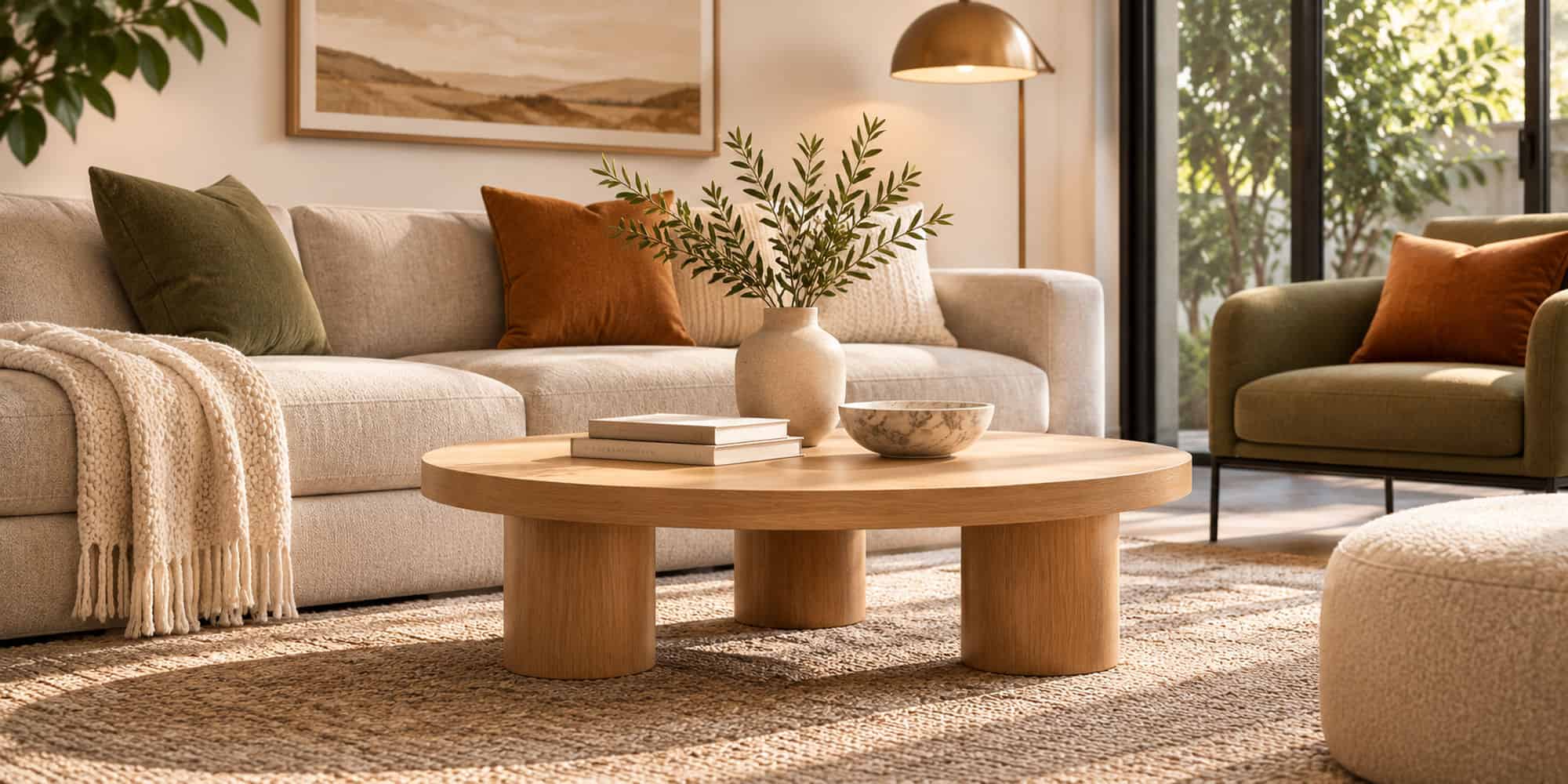
When comparing options, review the product’s overall dimensions, leg or base shape, stability and any drawer or shelf clearance. A substantial stone-look or timber table can look heavier in a compact room than an open-frame design of the same height. A glass top may feel visually lighter, but it still needs appropriate care and safe handling.
For a broader look at available shapes and sizes, browse Dreamo coffee tables. Compare the actual height stated for each product rather than assuming the whole category uses one dimension.
A Quick Coffee Table Height Checklist
Before ordering, measure your sofa and the intended floor space:
• Check the sofa seat height from the floor, including how soft cushions compress.
• Look for a tabletop near seat height or approximately 2–5 cm lower.
• Allow room for knees and a practical reach to the table surface.
• Measure the sofa-to-table gap and nearby walkways.
• Confirm the product’s exact height, width, depth and care requirements.
Once the size works, keep the surface usable rather than crowding it with décor. Our coffee table styling guide offers ideas for arranging everyday objects while leaving room for what you actually need.
Final Thoughts
For many Australian living rooms, a coffee table around 40–46 cm high is a sensible comparison point. The more important test is how its top relates to your sofa seat and how easily you can use it from your normal sitting position.
Measure before buying, check the clearances and choose a height suited to how you relax, entertain and move around the room.
FAQ
Should a coffee table be higher or lower than the sofa?
Usually level with the sofa seat or slightly lower is a practical starting point. Around 2–5 cm lower is often comfortable, although the best difference depends on how you use the surface.
What is a standard coffee table height in centimetres?
Many conventional coffee tables are around 40–46 cm high. That range is descriptive rather than mandatory; low-profile lounges and other furniture styles may need a different height.
How far should a coffee table be from the sofa?
Around 35–45 cm from the front edge of the sofa is a useful starting point. Make sure you can comfortably stand up and move between the seats and table.
Can a coffee table be taller than the sofa seat?
It can, especially for a particular functional preference, but it may feel visually dominant or less convenient for casual lounging. Test the height from your normal seat before choosing.