





It is easy to focus on the dining table first and treat the chairs as the finishing detail, but the chairs often have a bigger effect on how enjoyable the setting feels in everyday use. A table can be the right size and style, yet the whole setup can still feel awkward if the chairs sit too high, crowd each other or are uncomfortable after more than a few minutes.
The best outdoor dining chairs balance fit, comfort and practicality. They need to work with the table you already have, leave enough room for people to move around and suit the level of maintenance you are comfortable with. Looking at those details before colour or styling will usually lead to a much better result.
Start with Your Outdoor Dining Table
Before choosing chairs, measure the table carefully. Table height is the obvious starting point, but width, leg position and the amount of clear space underneath matter just as much. A chair that looks suitable from the front may not slide in properly if the table apron is deep or the legs sit close to the corners.
If you are still deciding on the table itself, browsing our outdoor dining tables alongside the chairs can make it easier to judge proportions as a complete setting rather than as separate purchases. The goal is to make sure the pieces work together physically before worrying about whether they match visually.
Getting Seat Height and Table Clearance Right
A comfortable dining position depends on having enough vertical space between the seat and the underside of the tabletop. If the chair sits too high, the table can feel cramped around your legs. If it sits too low, eating and relaxing at the table can feel less natural. Armrests add another measurement because they need enough clearance if you expect the chair to tuck neatly underneath.
Check the chair’s seat height against the table height, then look at any apron, crossbar or structural detail under the tabletop. It is also worth measuring the full chair height if the back will sit close to a window, railing or other feature in the outdoor area. A few minutes with a tape measure can prevent a setup that technically fits but feels wrong in use.
How Many Chairs Will Comfortably Fit?
The number of chairs that can physically fit around a table is not always the same as the number that can fit comfortably. Wider chair frames, arms and curved backs can quickly use up the space between seats. If every chair is pressed closely against the next one, people will have less elbow room and it becomes harder to pull chairs in and out.
Instead of relying only on a stated seating capacity, measure how much table edge each chair will occupy and check the position of the table legs. This matters most when you are trying to maximise seats around a smaller table. A slightly lower chair count can often make the setting feel much more relaxed and functional.
Arms or Armless Outdoor Dining Chairs?
Both styles can work well, but they suit different priorities. Armless chairs are generally easier to fit around a table and often feel lighter in a compact space, while chairs with arms can provide extra support for longer meals and more relaxed entertaining.
| Style | Main Advantage | Best Suited To |
| Armless | Easier to fit more chairs around the table | Smaller tables and tighter layouts |
| With arms | More support for relaxed, longer meals | Larger dining areas and roomier table layouts |
If you like the comfort of armchairs but still want to maximise seating, another option is to use them only at the ends of a rectangular table and keep the side chairs armless. The important thing is to check the actual dimensions rather than assuming one style will fit because it looks similar to another.
Comfort Matters More Outdoors Than You Might Expect
Outdoor dining often stretches beyond the meal itself. People stay at the table for drinks, conversation or a long weekend lunch, so comfort becomes more important than it might appear during a quick showroom test. Back angle, seat depth and the amount of support through the lower back all influence how comfortable the chair feels over time.
A firmer, uncushioned chair can be practical and easy to maintain, while a cushioned design may feel more inviting for longer sitting. Neither is automatically better. Think about how often the setting will be used, how long people usually stay seated and whether you want to store cushions away between uses.
Choosing the Right Material
Material affects weight, appearance and maintenance. Aluminium chairs can suit contemporary outdoor areas because they tend to have a clean profile and are often easy to reposition. If that direction suits your space, aluminium dining chairs are worth comparing with the rest of your setting.
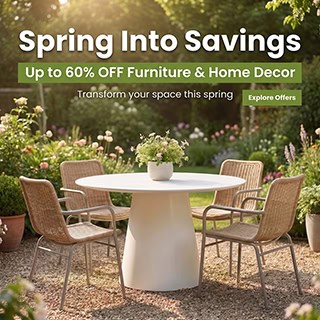
Wicker-style seating creates a softer, more textured look and can work particularly well in relaxed or resort-inspired outdoor spaces. Whatever material you choose, consider how exposed the dining area is to sun, rain and dirt, and how much maintenance you realistically want to do. The best choice is the one that still makes sense after a full season of regular use, not just on the day it is delivered.
Cushioned vs Uncushioned Dining Chairs
Cushions can make a noticeable difference to comfort, especially on harder chair surfaces, but they also create another item to clean, dry and store. In a fully covered alfresco area that may be easy to manage. In a more exposed setting, you may prefer chairs that remain comfortable without needing a cushion every time you sit down.
If you want the flexibility to add softness only when needed, our outdoor cushions can be used to layer extra comfort into the setting without making the chair itself dependent on permanent padding. Just make sure any cushion you add fits the seat properly and does not push you too far forward.
Do Your Chairs Need to Match the Table?
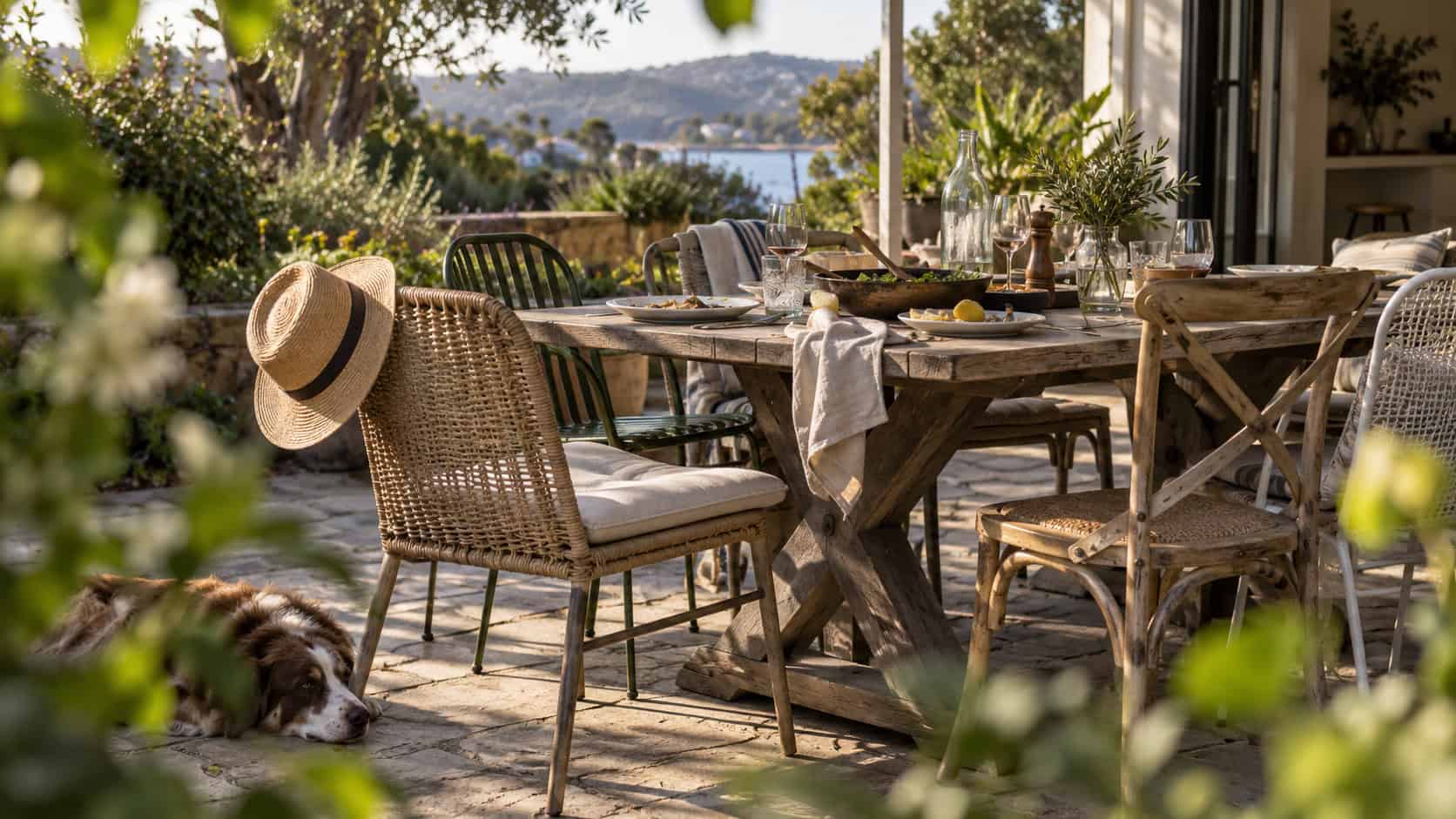
No. A coordinated outdoor dining area does not have to come from one matching set. Chairs and tables can work well together when they share one or two visual elements, such as a similar frame finish, repeated colour, compatible proportions or a material that appears elsewhere in the space.
Mixing can also make the setting feel less formal and more personal. A timber-look table with darker metal chairs, for example, can work if the tones are repeated elsewhere in the patio. The key is to make the contrast look intentional. If every element is different in colour, shape and finish, the setting can start to feel disconnected rather than layered.
A Quick Fit Check Before You Buy
Before ordering, run through a few practical checks with your actual table measurements:
- Check the chair seat height against the tabletop height.
- Make sure armrests clear the underside of the table if the chairs need to tuck in.
- Allow enough room to pull each chair back comfortably.
- Check spacing once every seat is occupied, not just when the chairs are pushed in.
- Measure the footprint of the full setting, including chairs in use, rather than the table alone.
These checks are especially useful in compact patios or when you are adding new chairs to an existing table. If you are starting with a full setting instead, our outdoor dining range can help you compare complete layouts and seating capacities.
Final Thoughts
A good outdoor dining chair should feel right before it looks right. Start with the table dimensions, check seat height and clearance, then think about comfort, material and how much maintenance suits your routine. Once those practical points are covered, style becomes much easier to judge.
The right chair will fit comfortably around the table, leave enough room for people to move and still feel pleasant after the meal is over. Explore our outdoor dining chairs to find options that suit your table, outdoor layout and everyday use.