






When you shop for a sofa, width and seat depth tend to get most of the attention. Sofa back height deserves just as much consideration: it affects where the cushions meet your shoulders, how relaxed the sofa feels and how much of your living room remains visible over its back.
A low-backed sofa can look beautifully streamlined, while a taller backrest may feel more reassuring when you settle in to read or watch television.
What Does Sofa Back Height Actually Mean?
Furniture listings can use two different height measurements. **Overall sofa height** runs vertically from the floor to the highest point of the backrest or back cushions, including the sofa legs. It helps you assess the sofa’s silhouette and whether it will sit below a window or fit in a particular space.
**Inside back height** measures vertically from the top of the seat cushion to the top of the backrest. This is often the more useful comparison for how much of your back is supported. It is not the same as seat height, which runs from the floor to the seat cushion. Check how each retailer defines its specifications before comparing products.
Is There a Standard Sofa Back Height?
As a broad shopping guide, many conventional sofas fall around 75–95 cm in overall height, but low-profile models can be shorter and tall-backed designs can exceed that range. Australian brands offer real variations: Eva lists its Everyday Sofa at 73 cm overall and its higher-backed Eclipse Sofa at 86 cm. Neither figure alone tells you where your head will rest.
Terms such as low-back, mid-back and high-back are descriptive rather than fixed Australian measurement categories. Look for the actual dimensions and cushion design instead of assuming that all sofas with the same label provide identical support.
High-Back vs Low-Back Sofas: What Changes?
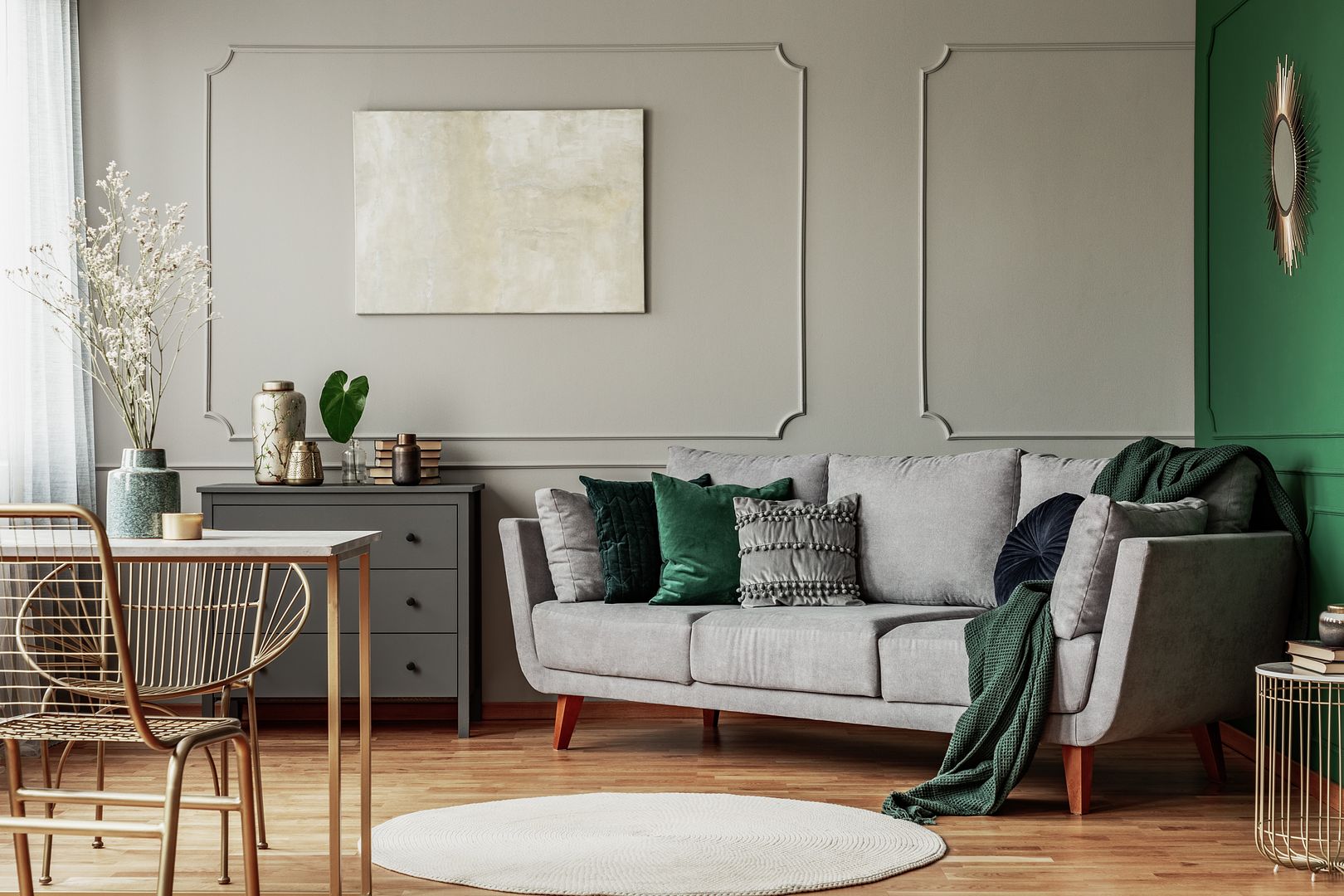
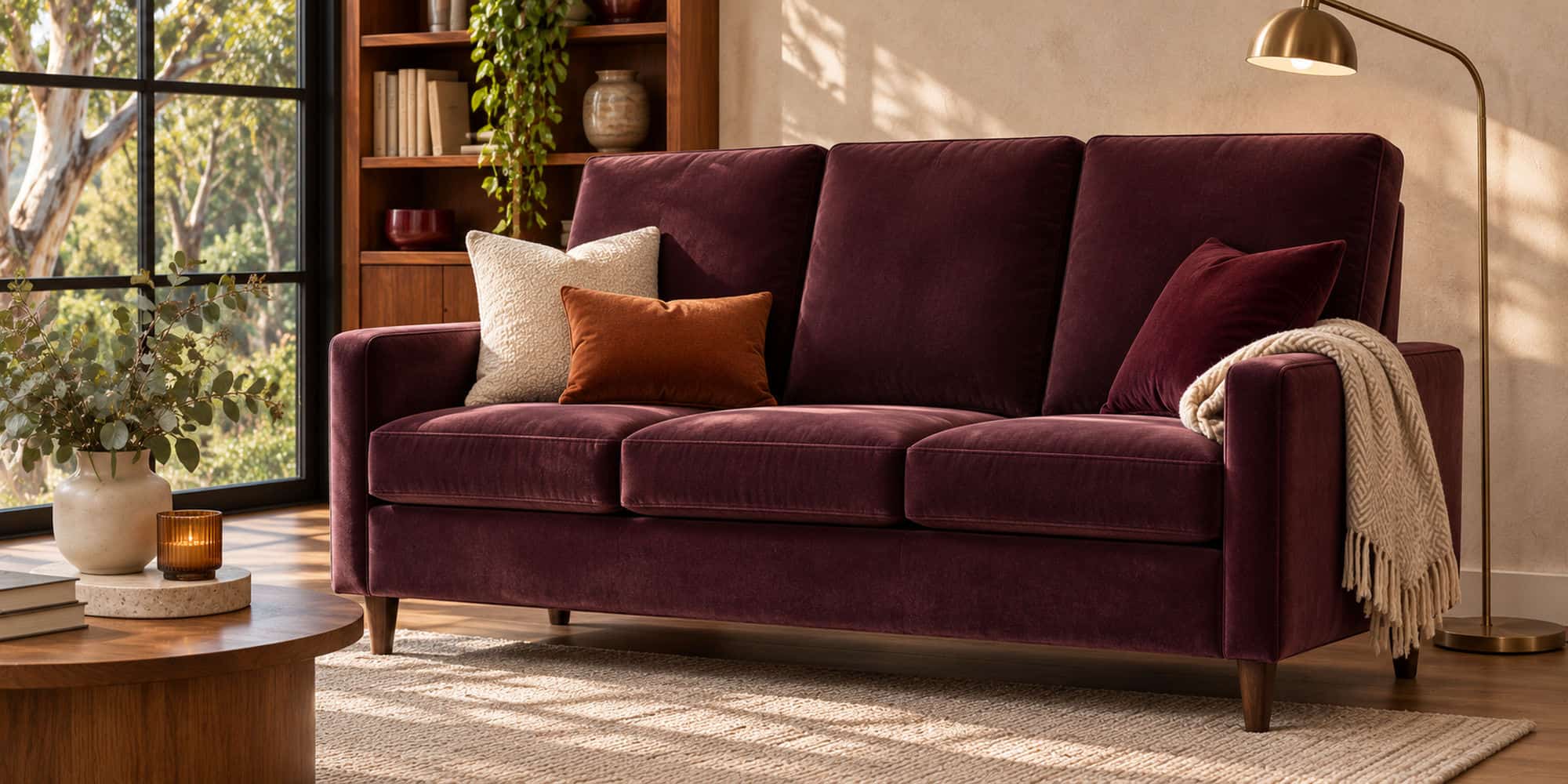
A **high-back sofa** usually reaches further up the shoulders and may support the head for some people, depending on their height and seated position. It can suit an area used for longer reading sessions or watching films. The taller silhouette also creates a more substantial furniture presence.
A **low-back sofa** keeps a more open sightline and tends to suit minimalist or open-plan rooms. It can still feel very comfortable for upright conversation or casual lounging, but someone who likes resting their head against the sofa may want additional support. Neither style automatically wins on comfort; cushion shape, recline angle and seat depth all contribute.
How to Measure Sofa Back Height Correctly
For the **overall height**, place the sofa on a level floor with the cushions arranged as they would normally be used. Measure straight up from the floor to the highest point of the back cushion or frame. Keep the tape measure vertical rather than following a sloping backrest.
To find the **inside back height**, measure vertically from the top of the seat cushion to the top of the backrest at the seating position. Record this separately from the overall measurement. Soft cushions can compress or extend above the frame, so retailer measurements may differ slightly depending on how they are taken.
If you are buying online, ask for both heights when they are not clearly listed.
Match the Backrest to How You Like to Sit
Consider where the backrest meets your body when you sit normally. If you spend time upright with your feet on the floor, you may be happy with a back that supports the lower and upper back without reaching your head. If you prefer reclining with your shoulders and head supported, check that the cushion actually reaches those areas when you are seated.
Your torso length matters as well as your overall height. A taller person may find that a seemingly high sofa back ends below the shoulders; another person might find the same design supportive. Try the sofa, or compare the inside back height with a sofa you already find comfortable.
Think About Seat Depth and Cushion Construction
Back height does not work independently of the rest of the sofa. A deeper seat changes how far you lean into the cushions, while an angled backrest can alter where your shoulders make contact. Softer, generously filled back cushions may compress more than firm, structured ones.
Loose scatter cushions can change the feel of the sofa, but do not assume they replace a well-fitting backrest. If you already like a particular sofa’s shape, our guide to styling your sofa with cushions and throws has ideas for keeping the seating area inviting without crowding it.
Consider the Room, Windows and Sightlines
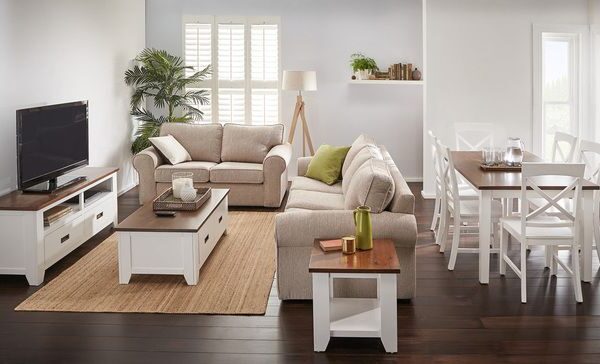
A low-profile sofa can keep views open between the living and dining areas or in front of a window. A taller back can work well against a wall or as a visual boundary in a larger open-plan room. Both can be good design choices depending on where the sofa will stand.
Measure the position in your room before ordering. For other practical dimensions, read our sofa sizing guide for living rooms.
A Simple Buying Checklist
Before making your choice, check the following:
• Compare overall back height and inside back height, not just a listing labelled “height”.
• Sit as you normally would and notice where the backrest meets your shoulders or head.
• Check seat depth, seat height, cushion firmness and backrest angle together.
• Make sure the full sofa dimensions suit your living-room layout.
• Confirm the dimensions and construction of the specific model before ordering.
You can compare designs and published measurements across Dreamo sofas, then shortlist the ones that suit both the space and your preferred sitting position.
Final Thoughts
The right sofa back height is a balance of comfort and appearance. A high back may be appealing for extended lounging, while a low back can preserve open sightlines and a lighter room feel. But no height guarantees neck support for everyone.
Compare the inside and overall heights, try the seating position where possible, and choose the sofa that works for your body and your home.
FAQ
What is the average sofa back height?
Many conventional sofas are roughly 75–95 cm tall overall, although individual designs vary. Always check whether the listed figure is measured from the floor or from the seat cushion.
Does a high-back sofa support your head?
It may, but only if the backrest reaches the right place when you sit in your normal position. The cushion angle, your torso length and how you recline all matter.
How do I measure sofa back height?
Measure overall height vertically from the floor to the highest point of the backrest. Measure inside back height separately from the top of the seat cushion to the top of the backrest.
Is a low-back sofa suitable for a small living room?
Often yes. Its lower silhouette can keep sightlines open, but check the sofa’s full width and depth and make sure the seating still feels comfortable for the people using it.