





Choosing outdoor furniture in Australia isn’t the same as choosing it anywhere else. The combination of intense UV exposure, high humidity in coastal areas, temperature extremes and the occasional downpour means that material choice matters a great deal more than it does in milder climates. Wicker and aluminium are two of the most popular options available, and both have genuine strengths – but they suit different environments and different priorities. Here’s how they compare.
What Is Wicker Outdoor Furniture?
It’s worth clarifying upfront that outdoor wicker furniture is not made from natural rattan or wicker. Natural wicker deteriorates quickly outdoors, particularly in the sun and rain. What’s sold as outdoor wicker is almost always synthetic resin wicker – a woven polyethylene material designed specifically for outdoor use.
Synthetic resin wicker is UV-stabilised, water-resistant and far more durable than its natural counterpart. It’s woven over a frame – typically aluminium or steel – which provides the structural support while the wicker adds the visual texture and warmth.
The appeal of wicker is largely aesthetic. It has a relaxed, organic look that works well in garden settings, coastal homes and outdoor spaces where a softer, more lived-in feel is the goal. Browse our wicker outdoor furniture to see the full range of lounges, dining sets and accessories.
What Is Aluminium Outdoor Furniture?
Aluminium outdoor furniture uses a powder-coated aluminium frame as the primary material, sometimes combined with a sling fabric seat, a woven top, or solid aluminium slats for the seating surface.
Aluminium is one of the most practical materials available for outdoor furniture in Australia. It’s naturally rust-resistant, lightweight, and holds up exceptionally well against UV exposure and moisture. Powder coating adds an additional layer of protection against chips, scratches and fading, and modern powder-coated finishes are available in a wide range of colours and textures.
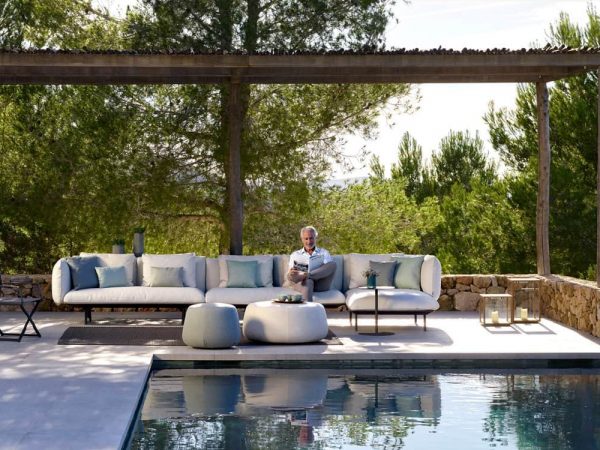
The aesthetic of aluminium furniture tends to be cleaner and more contemporary than wicker – sharper lines, more defined shapes, and a look that suits modern or minimalist outdoor spaces particularly well. Explore our aluminium outdoor furniture to see dining and lounge options across different configurations.
How Each Material Handles the Australian Climate
This is where the real differences emerge.
UV exposure: Both materials handle UV reasonably well when manufactured to outdoor standards. High-quality resin wicker is UV-stabilised to prevent fading and brittleness over time. Powder-coated aluminium is similarly resistant. In practice, cheaper resin wicker can begin to fade or become brittle after a few years in intense sun, while quality aluminium with a good powder coat tends to maintain its appearance longer.
Coastal conditions: If your home is within a few kilometres of the ocean, salt air is a significant consideration. Aluminium is inherently rust-resistant and handles salt air extremely well. Resin wicker over an aluminium frame is also a good coastal choice – the wicker itself doesn’t rust, and an aluminium sub-frame won’t corrode. Wicker over a steel frame is less suitable for coastal environments unless the steel is well-sealed and maintained.
Rain and moisture: Both materials handle rain well. Resin wicker dries quickly and doesn’t absorb water. Aluminium sheds water easily and won’t swell, warp or corrode with repeated wetting. Neither material requires cover during typical rain events, though furniture covers are always a good idea for extended periods of wet weather or when the furniture is not in use for several weeks.
Heat: Aluminium can become very hot to the touch in direct summer sun – something to consider for seating surfaces that aren’t cushioned. Resin wicker tends to stay cooler and is more comfortable to sit on directly without a cushion.
Comfort and Aesthetics
Comfort is an area where wicker tends to have a natural advantage. The woven surface has a slight give to it, and the organic texture feels warmer and more inviting than bare aluminium. Most wicker lounges and dining chairs also come with cushions included, which adds further comfort.
Aluminium furniture without cushions can feel harder and less forgiving. However, most aluminium dining chairs and lounges are designed to be used with seat cushions, and the combination of a solid aluminium frame with quality cushions is both extremely comfortable and very durable.
Aesthetically, the two materials suit different styles. Wicker’s relaxed, textured look works well in garden settings, Hamptons-inspired spaces, or outdoor areas with a lot of greenery. Aluminium’s clean lines and contemporary finish suit modern homes, minimalist outdoor spaces and urban settings where a sleeker look is the goal.
Maintenance and Longevity
Neither material requires heavy maintenance, but there are some differences worth knowing.
Wicker: Rinse with a hose periodically to remove dust and debris. A mild soap solution and soft brush can be used for more thorough cleaning. Avoid high-pressure washing, which can damage the weave over time. Quality resin wicker should last many years outdoors with basic care.
Aluminium: Wipe down with a damp cloth to keep clean. Powder-coated finishes are low-maintenance and resistant to most common outdoor elements. If the powder coat is chipped or scratched, touch up promptly to prevent moisture from reaching the aluminium underneath.
Both materials benefit from the use of furniture covers during extended periods of non-use or extreme weather.
Which One Is Right for You?
Choose wicker if:
- You prefer a relaxed, organic aesthetic
- Your outdoor space has a garden, coastal or Hamptons-inspired style
- Comfort without cushions is a priority
- You have a sheltered outdoor area with some protection from direct sun
Choose aluminium if:
- Your home is close to the coast and salt air is a concern
- You prefer a contemporary, clean-lined look
- Longevity and minimal maintenance are your top priorities
- Your outdoor space is exposed to intense sun and you want the most durable option
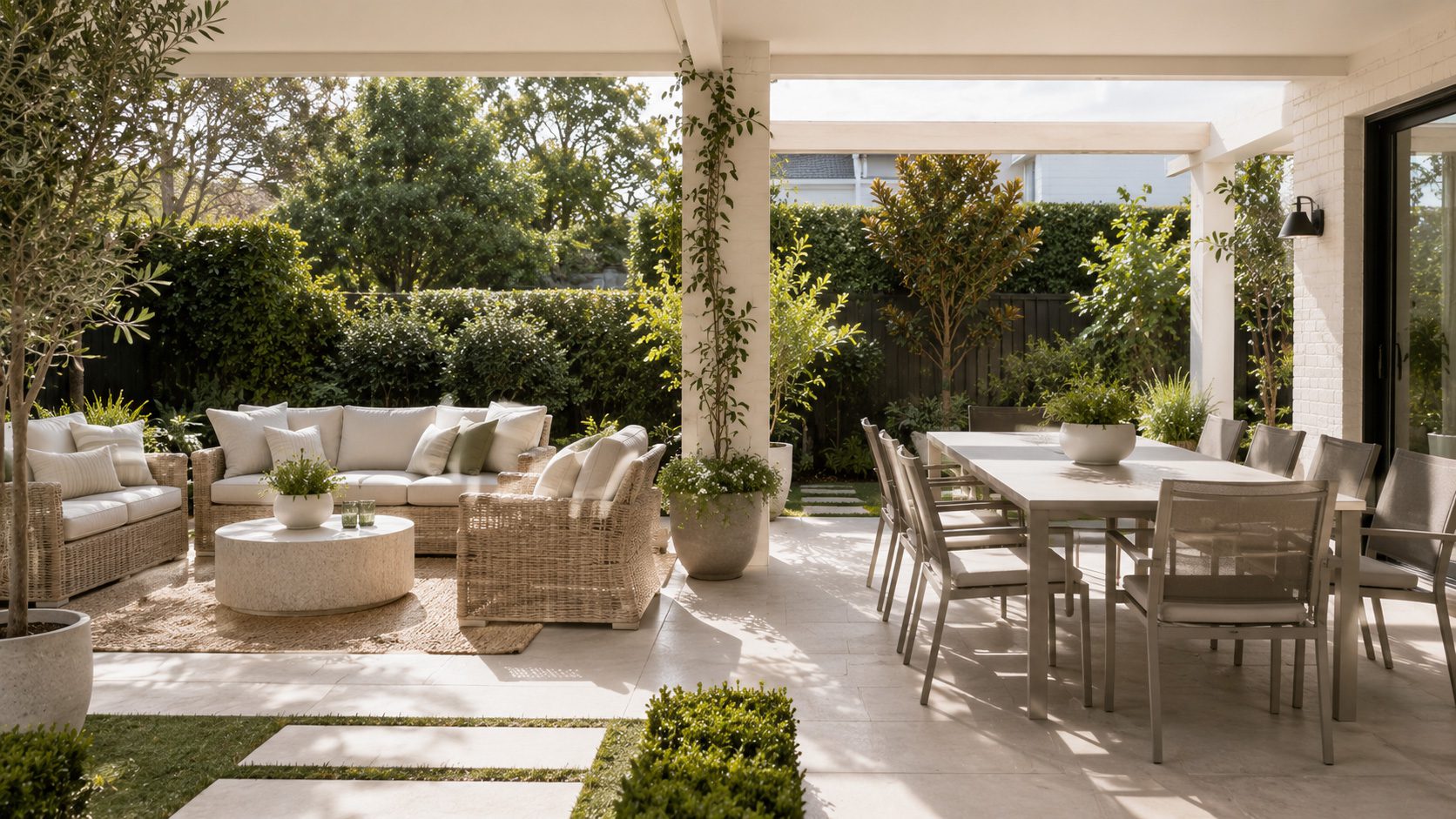
For many households, the answer is actually a combination – wicker lounges for relaxed seating areas and aluminium dining settings for a more structured, practical dining space. Both ranges are available at Dreamo Living across a variety of configurations and sizes.
Final Thoughts
Both wicker and aluminium outdoor furniture are well-suited to Australian conditions when they’re manufactured to a proper outdoor standard. The choice comes down to your aesthetic preference, your proximity to the coast, and how much direct sun exposure your outdoor space gets. Either way, investing in quality materials from the outset will always deliver better value over time than a cheaper piece that needs replacing within a few years.